A roof is one of those things that’s easy to forget about until something goes wrong. But when a leak appears over your inventory or in a tenant’s space, it’s already an emergency. A proactive approach to your property’s health is always better than a reactive one. Instead of waiting for a crisis, understanding the lifecycle of your roof allows you to plan ahead. A scheduled replacement protects your assets, prevents business disruptions, and gives you control over the timeline and budget. This article will walk you through everything you need to know about a planned flat roof replacement for business, turning a potential headache into a smart investment.
Key Takeaways
- Know when to replace instead of repair: A full replacement is the smarter financial move when you’re facing widespread issues like constant leaks, large blisters, or significant ponding water. Addressing the root problem protects your property from further damage and can lower future energy costs.
- Match the material to your property’s needs: There is no single best flat roofing material; the right choice depends on your budget, building use, and our Florida climate. For example, reflective TPO is great for energy efficiency, while durable Modified Bitumen handles high foot traffic well.
- Invest in quality installation and routine care: The longevity of your roof is determined by two key factors: expert installation and consistent maintenance. Always hire a licensed and insured commercial contractor, and commit to a simple upkeep plan of regular inspections and clear drains to maximize your roof’s lifespan.
Is It Time to Replace Your Commercial Flat Roof?
Deciding whether to repair or fully replace your commercial roof is a major call for any property owner. It’s a significant investment, and you want to be sure you’re making the right choice for your building and your budget. While a simple repair might seem like the easier option, sometimes it’s just a temporary fix for a much larger problem. Waiting too long to replace a failing roof can lead to more extensive damage, costing you more money and stress in the long run.
Knowing what to look for can make the decision clearer. Certain signs indicate that your roof’s issues are beyond simple repairs and that a full replacement is the most cost-effective solution. Understanding these indicators, along with the advantages of acting promptly, will help you protect your property and make a confident, informed decision.
Key Signs Your Flat Roof Needs Replacing
Think of your roof like any other major asset; at some point, the cost of frequent repairs outweighs the price of a replacement. A replacement is usually necessary when damage is widespread across the roof’s surface rather than contained to one small area. If your roof is old and past its warranty, you might find yourself paying for repairs that are no longer cost-effective. Constant leaks, large bubbles or blisters in the membrane, and significant ponding water that remains for more than 48 hours are all signs that the underlying system is failing. When you find that you’re dealing with recurring problems, it’s time to consider a full commercial roofing replacement.
The Benefits of a Timely Replacement
Putting off a roof replacement can feel like saving money, but it often costs you more every day you wait. A failing roof can lead to interior water damage, mold growth, and compromised structural integrity, threatening your inventory, equipment, and the safety of your tenants or employees. A timely replacement is an investment that protects your entire building. Modern roofing systems also offer superior energy efficiency, reflecting the Florida sun to lower your cooling costs. By moving forward with a replacement, you get a durable, long-lasting solution that adds value to your property. We understand it’s a big project, which is why we offer convenient financing to make it more manageable.
Your Commercial Flat Roofing Material Options
When it’s time to replace your flat roof, one of the biggest decisions you’ll make is choosing the right material. The world of commercial roofing offers several fantastic options, each with its own set of strengths tailored to different needs and budgets. The best choice for your building isn’t a one-size-fits-all answer. It depends on crucial factors like your long-term financial plans, the specific demands of the Central Florida climate, and even how much foot traffic your roof needs to handle.
Making an informed decision means understanding the pros and cons of each system. It’s about more than just covering your building; it’s about investing in a durable, reliable system that protects your assets, improves energy efficiency, and gives you peace of mind for years to come. Think of it as choosing the right foundation for your business’s physical security. To help you get started, let’s walk through the most common materials available. From time-tested traditional systems to modern, eco-friendly solutions, we’ll break down what makes each one unique so you can find the perfect fit for your property.
Built-Up Roofing (BUR)
You might know this one by its nickname: “tar and gravel” roof. Built-Up Roofing, or BUR, is one of the oldest and most trusted systems around. It’s constructed on-site with layers of roofing felt, hot tar (bitumen), and a top layer of gravel or stone. This multi-layer design makes it incredibly durable and resistant to punctures. The gravel topcoat provides excellent UV protection and fire resistance. While it requires periodic checks to ensure everything is in order, BUR systems are known for being straightforward to repair and can withstand harsh weather conditions, making them a solid, reliable choice for many commercial buildings.
Single-Ply Membranes (TPO, PVC, EPDM)
Single-ply membranes are a modern, popular choice for flat roofs. These systems use large sheets of a synthetic material that are rolled out and sealed at the seams. The most common types are TPO and PVC, which are often white and highly reflective. This is a huge plus in Florida, as they reflect sunlight and can help lower your cooling costs. Another option is EPDM, often called a “rubber roof,” which is known for its exceptional durability and long lifespan. Some EPDM roofs have been known to last for 50 years, proving their resilience and value over time.
Modified Bitumen
Think of Modified Bitumen (Mod-Bit) as a modern evolution of the classic BUR system. It comes in rolls and is made of asphalt modified with rubber or plastic polymers for added flexibility and strength. These roofs are installed in layers, creating a thick, tough surface that’s great for buildings with a lot of foot traffic from HVAC maintenance crews or other personnel. It’s known for being easy to install and incredibly strong, offering a great balance of performance and durability. This material provides excellent waterproofing and can be a cost-effective solution for many businesses.
Green Roofing Systems
A green roof is exactly what it sounds like: a roof with living plants growing on top. This system involves multiple layers, including a waterproof membrane, drainage, and a growing medium for vegetation. Green roofs are fantastic for urban environments, as they can help manage stormwater, improve air quality, and provide beautiful amenity spaces. However, they are a significant investment. The installation is complex and requires a structure that can support the extra weight. They also need ongoing maintenance to keep the plants healthy, so they’re best for property owners ready to commit to their upkeep.
How to Choose the Right Flat Roofing System
Selecting the right flat roofing system for your commercial property is about more than just picking a material. It’s a strategic decision that impacts your building’s safety, your budget, and your energy bills for years to come. The best choice depends on a few key factors specific to your property and goals. Think about Central Florida’s unique weather, your building’s structural design, your long-term budget, and your energy efficiency targets. By carefully considering each of these elements, you can find a roofing solution that not only protects your investment but also supports your business operations. Let’s walk through what you need to consider to make a confident and informed choice.
Factoring in Central Florida’s Climate
Here in Central Florida, our roofs are up against a lot: intense UV rays, high humidity, and torrential downpours. Your new flat roof needs to be tough enough to handle it all. Materials like TPO and PVC are popular choices because their reflective white surfaces bounce sunlight away, helping to keep your building cooler and your energy bills lower. It’s also critical to choose a system known for its water-tight seals to prevent leaks during our heavy rainy seasons. A common myth is that flat roofs can’t be insulated well, but modern materials provide excellent thermal resistance, which is a must for managing cooling costs in our hot and humid climate. A professional commercial roofing expert can recommend the best materials to withstand our local weather.
Your Building’s Structure and Load Capacity
Before you settle on a roofing material, you have to consider what your building can physically support. Flat roofs are often the go-to for businesses because they provide usable space for large HVAC systems, solar panels, or even rooftop patios. However, each of these additions adds significant weight. It’s essential to have a professional assess your building’s structural integrity to determine its load capacity. This step ensures the new roofing system and any equipment on top of it won’t compromise your building’s safety. A thorough inspection will tell you which materials are viable options and which are too heavy for your property’s frame.
Budget and Long-Term Value
While the initial price tag is important, the true cost of a roof is measured over its entire lifespan. Some materials may have a lower upfront installation cost, but they might require more frequent repairs or an earlier replacement. Others, while more expensive initially, could offer superior durability and lower maintenance needs, saving you money in the long run. It’s all about finding the right balance between your immediate budget and long-term value. When you get a quote, make sure it includes the full picture: material costs, labor, and warranty details. Exploring financing options can also make a higher-quality, longer-lasting roof more accessible from the start.
Energy Efficiency Goals
A new roof is a great opportunity to improve your building’s energy performance and reduce operational costs. Forget the old myth that flat roofs are energy drains. With today’s technology, they can be incredibly efficient. Opting for a “cool roof” with a reflective surface, like a white TPO membrane, can significantly reduce heat absorption. This means your air conditioning system doesn’t have to work as hard, leading to noticeable savings on your utility bills. Pairing a reflective material with high-quality insulation creates a powerful barrier against Florida’s heat, keeping your indoor environment comfortable for employees and customers while being kinder to your bottom line.
How Long Will Your New Flat Roof Last?
A new roof is a significant investment in your commercial property, so it’s natural to wonder how long it will protect your building. While the materials you choose play a huge role, the actual lifespan of your roof comes down to a combination of factors, including the quality of the installation, your commitment to maintenance, and the weather it endures here in Central Florida. On average, you can expect a commercial flat roof to last between 20 and 25 years, but some systems can perform well beyond that with proper care.
Understanding the expected lifespan of different materials helps you plan for the future and make a choice that aligns with your long-term business goals. Think of your roof not just as a shield but as an asset. A well-chosen, properly installed, and regularly maintained roof protects everything under it, from your inventory and equipment to your employees and customers. By getting familiar with what to expect from your new roof, you can create a solid plan for its care and maximize its value for decades to come.
Comparing Material Lifespans
When you’re selecting a new commercial flat roof, the material is one of the biggest factors influencing its longevity. Single-ply membranes are a popular choice, and each type offers a different lifespan. For example, EPDM (a synthetic rubber) is known for its durability and can last anywhere from 20 to 40 years. TPO roofs typically have a lifespan of 20 to 30 years, offering a great balance of performance and cost-effectiveness. PVC roofing is another strong contender, often lasting up to 30 years thanks to its resistance to chemicals and punctures. Knowing these timelines can help you weigh the upfront cost against the long-term value each system provides.
Maintenance Needs for Each System
A roof’s warranty doesn’t guarantee its lifespan; your maintenance routine does. Even the most durable materials need regular attention to perform at their best. For instance, systems like Built-Up Roofing (BUR) benefit from inspections at least twice a year to catch potential issues before they turn into major leaks. Proactive care is always more affordable than reactive repairs. A consistent maintenance plan involves clearing debris, ensuring drains are working correctly, and checking for any signs of wear and tear. This simple commitment protects your investment and helps your roof reach or even exceed its expected lifespan, saving you from premature replacement costs.
What Affects Your Roof’s Longevity?
Beyond the material itself, two key things determine how long your roof will last: weather and upkeep. Here in Central Florida, our roofs face intense sun, heavy rains, and strong storms. Events that cause damage from hail or high winds can take a toll on any roofing system. While you can’t control the weather, you can control your response. Regular inspections after major storms are crucial. The second factor, maintenance, is entirely in your hands. A roof that could last 30 years can fail in just 15 if neglected. Simple, consistent upkeep makes all the difference in protecting your property for the long haul.
Budgeting for Your Flat Roof Replacement
Planning your budget is one of the most important steps in any major commercial project, and a roof replacement is no exception. Thinking through the costs ahead of time helps you avoid surprises and make confident decisions for your business. A well-planned budget covers not just the obvious expenses like materials and labor, but also the smaller details that can add up. Let’s break down what you should account for so you can create a realistic financial plan for your new flat roof.
Breaking Down Material Costs
The material you choose for your commercial roofing system will be a major driver of the total cost. Each option comes with a different price point and its own set of long-term benefits. For example, traditional built-up roofing (BUR) might have a lower initial cost, while modern single-ply membranes like TPO or PVC often provide greater energy efficiency and durability, offering more value over time. When you get a quote, it should clearly itemize the cost of the primary roofing material, as well as insulation, fasteners, and flashing. This helps you compare different systems not just on price, but on the quality and longevity you’re getting for your investment.
Understanding Labor and Installation Expenses
Labor is another significant portion of your budget. The cost of installation isn’t just a flat rate; it depends on several factors. The size and complexity of your roof, its accessibility for crews and equipment, and the amount of work needed to remove the old roof all play a role. A roof with numerous vents, HVAC units, and skylights will require more detailed work and therefore more labor hours than a simple, open roof. Hiring an experienced, professional crew is essential. Their skill ensures the roof is installed correctly, which prevents costly leaks and repairs down the road and protects your warranty.
Potential Hidden Costs to Plan For
It’s smart to set aside a contingency fund for expenses that might not appear on the initial estimate. These can include city or county permits, waste disposal fees for the old roofing materials, and potential repairs to the underlying roof deck if rot or damage is discovered after tear-off. If your building is older, you may also need to budget for upgrades to meet current building codes for insulation or drainage. Discussing these possibilities with your contractor beforehand can help you prepare. If unexpected storm damage is found, our team can even provide roof claim assistance to help you manage the process.
Exploring Your Financing Options
A full roof replacement is a major capital investment, but it doesn’t have to strain your cash flow. Many business owners choose to finance the project, allowing them to get a high-quality roof now while making predictable monthly payments. This approach lets you preserve capital for other operational needs and can make it possible to select a more durable, energy-efficient roofing system that will save you money in the long run. We offer several flexible financing solutions to help make your roof replacement affordable and straightforward, so you can protect your property without delay.
What to Expect During the Replacement Process
A commercial roof replacement can feel like a huge undertaking, but knowing what to expect makes the process much smoother. A professional roofing partner will guide you through a clear, structured process designed to protect your property and minimize disruption to your daily operations. From the first look at your roof to the final handshake, here’s a step-by-step breakdown of how a typical commercial flat roof replacement unfolds.
Step 1: Initial Inspection and Assessment
The first step is always a comprehensive look at your current roof. A professional will conduct a thorough inspection to understand the full extent of any damage and determine if a full replacement is truly necessary or if repairs will suffice. They’ll look for issues like ponding water, cracks or blisters in the membrane, and signs of leaks inside your building. This detailed assessment, similar to a hail damage inspection, is crucial. It ensures that the proposed solution is the right one for your property, giving you a clear picture of the work ahead and preventing any surprises down the line.
Step 2: Removing the Old Roof
Once a replacement is confirmed as the best course of action, the crew gets to work removing the old roofing materials. This tear-off phase is handled with incredible care to protect your building and the surrounding property. The team will safely and efficiently strip away the old layers, exposing the underlying roof deck. This is a critical moment because it allows the roofers to inspect the deck for any hidden rot or structural damage that needs to be addressed before the new system is installed. A professional contractor will also manage the disposal of all debris, leaving your property clean.
Step 3: Installation and Final Inspection
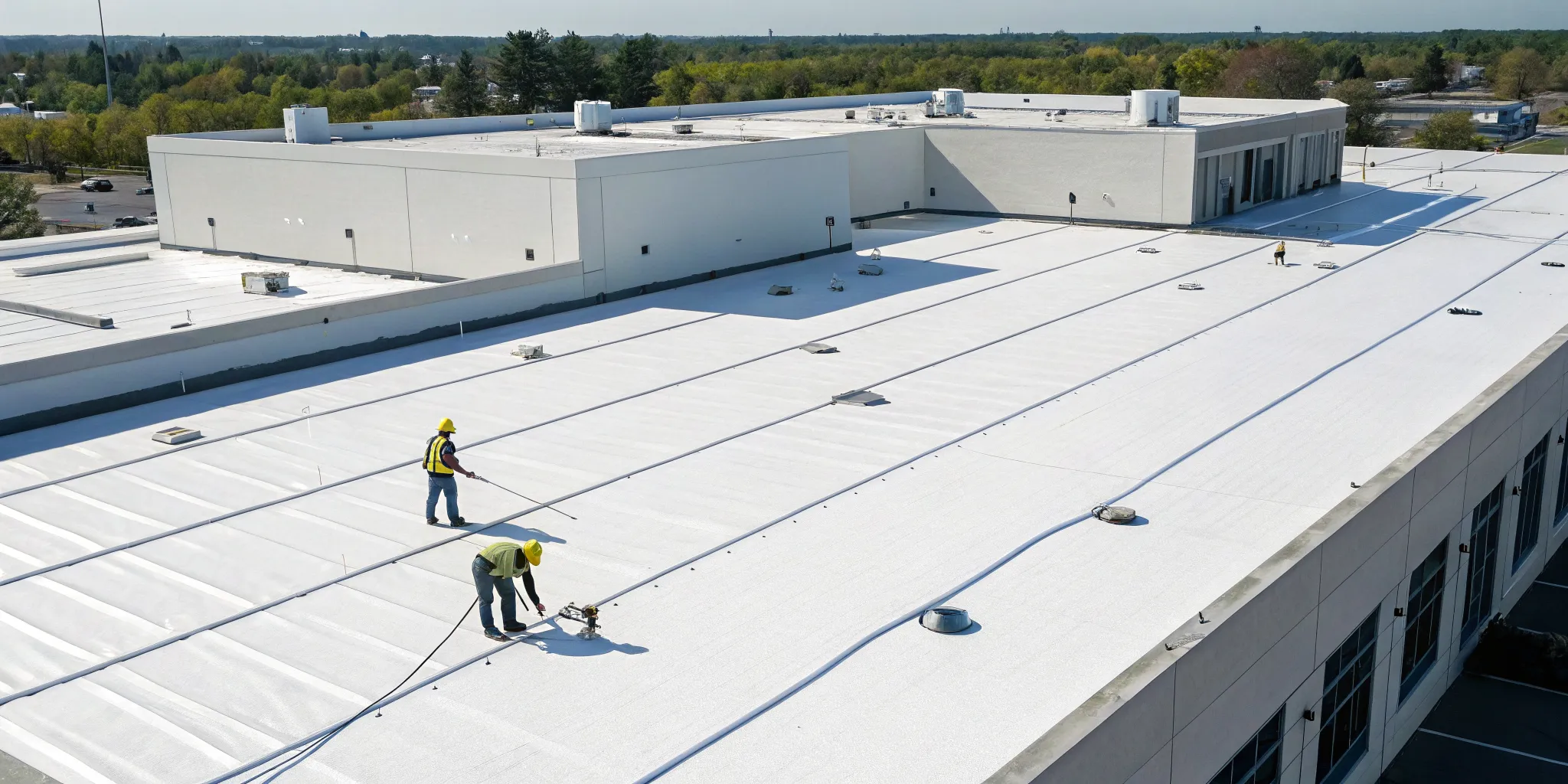
With a clean and prepped surface, the installation of your new flat roof begins. Based on the initial assessment, your contractor will install the commercial roofing system that’s best for your building’s needs and Central Florida’s climate, whether it’s TPO, EPDM, or another material. After the installation is complete, the project manager will conduct a final, meticulous inspection. They’ll walk the roof with you to ensure every detail is perfect and that the work meets the highest standards. You’ll also receive all the necessary paperwork, including your warranty, for your records.
Managing Timelines and Business Operations
We know you can’t just close your doors for a roof replacement. A key part of the process is creating a plan that keeps your business running. Many flat roof replacements can be completed in just one day. If the project is larger and requires more time, the crew will secure the work area at the end of each day, ensuring your building is protected overnight. Your contractor should communicate with you every step of the way to coordinate logistics, manage noise, and schedule the work to cause the least possible disruption for your employees, tenants, and customers.
Common Myths About Flat Roofs, Busted
When it comes to commercial roofing, flat roofs have a few persistent myths floating around. These misconceptions can lead to costly mistakes and unnecessary stress for property owners. Let’s clear the air and separate fact from fiction so you can make confident decisions about your building’s roof. Understanding the truth about flat roof design, materials, and maintenance is the first step toward protecting your investment and ensuring your roof performs well for years to come.
Myth: Flat Roofs Don’t Drain Properly
This is probably the most common myth we hear, and it’s completely understandable. The name “flat roof” is a bit misleading. A properly installed commercial roofing system isn’t perfectly level. Instead, it’s built with a very slight, intentional slope, usually about a quarter-inch per foot. This subtle gradient is all that’s needed to guide rainwater toward drains, scuppers, and gutters, preventing water from pooling. When a flat roof has drainage issues, it’s almost always a sign of a design flaw, a clog, or damage, not a fundamental problem with flat roofs themselves.
Myth: All Flat Roofing Materials Are the Same
Thinking all flat roofing materials are interchangeable is like saying all vehicles are the same. Just as you wouldn’t use a sports car to haul construction supplies, you wouldn’t use the same roofing material for every building. Materials like TPO, PVC, and modified bitumen each have unique strengths, lifespans, and price points. The best choice for your property depends on factors like your budget, the Central Florida climate, your building’s daily operations, and your energy efficiency goals. A professional roofer can help you assess these factors to select the ideal material for your specific needs.
Myth: Delaying Replacement Saves Money
Putting off a necessary roof replacement might feel like you’re saving money in the short term, but it almost always costs more down the road. A failing roof can lead to a cascade of expensive problems. Persistent leaks can cause structural rot, ruin insulation, and damage inventory or equipment inside your building. What starts as a simple replacement can quickly turn into a major restoration project. If your roof is old or significantly damaged, acting quickly can prevent minor issues from becoming a full-blown emergency roof repair situation that disrupts your business and drains your budget.
Myth: Flat Roofs Are Maintenance-Free
While modern flat roofs are incredibly durable, they aren’t indestructible. The idea that you can install one and forget about it is a recipe for trouble. Regular inspections and proactive maintenance are essential for maximizing your roof’s lifespan. In Florida, intense sun, heavy rains, and high winds can take a toll. Simple maintenance tasks, like clearing drains of debris and having a professional perform a yearly hail damage inspection, can catch small problems before they escalate. A consistent maintenance plan is the best way to protect your investment and avoid surprise repairs.
Choosing the Right Commercial Roofing Contractor
You’ve picked the perfect material for your new flat roof, and you’re ready to get started. But hold on, because the next decision you make is just as critical: choosing your contractor. The right team can make your roof replacement a smooth, stress-free process, while the wrong one can lead to leaks, delays, and unexpected costs. Think of your contractor as a long-term partner for your property. They are responsible for protecting your most valuable asset from the top down. A great commercial roofing contractor brings specialized expertise, transparent communication, and a commitment to quality that ensures your new roof performs as it should for decades. They understand the complexities of commercial systems, from proper drainage on a low-slope surface to working around rooftop HVAC units and vents. So, how do you separate the experts from the amateurs? Let’s walk through the essential checks and questions that will help you find a reliable professional you can trust with your business. This is a significant investment, and taking the time to properly vet your options will give you confidence that your property is in good hands and that your new roof will stand the test of time.
Check for Proper Licensing and Insurance
This is the first and most important checkpoint. A legitimate roofing contractor must be licensed by the state of Florida and carry full insurance. Licensing proves they meet state requirements to perform the work, while insurance protects you from liability. Ask for proof of both general liability insurance, which covers property damage, and worker’s compensation, which covers injuries to the crew on your property. If a contractor can’t or won’t provide these documents, consider it a major red flag and move on. A professional company will have this information ready and will be happy to share it with you for your peace of mind.
Look for Proven Commercial Experience
Residential and commercial roofing are two different worlds. Commercial flat roofs have unique challenges, from complex drainage systems and HVAC units to different materials and installation techniques. You need a contractor with a proven track record in the commercial sector. Ask to see a portfolio of their past projects, specifically ones similar to yours. Check their online reviews and ask for local references you can contact. A company with deep experience in commercial roofing will understand the specific building codes and climate demands of Central Florida, ensuring your project is done right the first time. Don’t be afraid to ask about their team’s training and certifications with specific roofing systems.
Understand the Warranties and Guarantees
A new roof comes with two types of warranties: one from the material manufacturer and one from the contractor covering their workmanship. The workmanship warranty is especially important because it protects you against installation errors, which are a common cause of roof failure. Before signing a contract, get the warranty details in writing. Understand what’s covered, how long the coverage lasts, and what actions might void it, such as unapproved alterations. A contractor who offers a strong, long-term workmanship warranty is showing confidence in their skills and a commitment to standing behind their work. It’s a clear sign that you’re working with a reputable professional.
Contractor Red Flags to Watch For
Trust your gut. If something feels off, it probably is. Be wary of any contractor who uses high-pressure tactics to get you to sign a contract immediately. Other red flags include providing a vague quote without a detailed breakdown of costs, demanding a large cash deposit upfront, or being difficult to contact. After a major storm, be especially cautious of “storm chasers” who go door-to-door offering cheap, fast repairs. A professional contractor will provide a clear, detailed proposal and will be patient as you make your decision. They should also be able to offer clear guidance on processes like roof claim assistance without pressuring you.
Overcoming Common Replacement Challenges
A full flat roof replacement is a significant investment in your property, but the project itself can feel a bit daunting. As a business owner, you’re likely juggling questions about how the work will affect your daily operations, your budget, and your tenants. The good news is that with a solid plan and the right professional partner, you can handle these challenges smoothly.
Thinking through the potential hurdles ahead of time is the best way to ensure a seamless project from start to finish. We’ll walk through some of the most common concerns for commercial property owners, including how to keep your business running with minimal disruption, manage unexpected costs, work around unpredictable Florida weather, and keep everyone in the building informed and happy. A proactive approach turns these potential problems into manageable items on your project checklist, leading to a successful replacement that protects your investment for years to come.
Keeping Your Business Running Smoothly
Your top priority is likely keeping your doors open and operations flowing. A professional roofing contractor who specializes in commercial roofing will understand this and work with you to create a phased plan that minimizes disruption. This might involve scheduling the loudest work outside of your peak business hours or sectioning off the roof to complete the project in stages. It’s also worth noting that not every issue demands a full replacement. Sometimes, targeted repairs can solve the problem effectively, getting your roof back in shape with far less downtime. A thorough initial inspection is key to determining the most efficient and least disruptive path forward for your business.
Handling Unexpected Costs
The fear of hidden expenses can be stressful. The best way to manage your budget is to start with a comprehensive quote that details all anticipated costs. However, it’s always wise to set aside a contingency fund, typically 10-15% of the total project cost, for any surprises that might be uncovered once the old roofing material is removed. While the initial investment for a replacement can be significant, remember that modern flat roofs are often more cost-effective over their lifespan than pitched roofs. If you need help managing the upfront expense, exploring financing options can make the project much more affordable without straining your cash flow.
Dealing with Weather and Scheduling
Here in Central Florida, the weather can change in an instant. Afternoon thunderstorms and hurricane season can throw a wrench in any construction schedule. This is why working with an experienced local contractor is so important. A team familiar with our climate will monitor forecasts closely and build flexibility into the project timeline. They’ll know how to protect your building from the elements during the replacement process and will schedule work to take advantage of clear weather windows. Regular roof inspections can also help you plan a replacement proactively, allowing you to schedule the work during drier seasons and avoid the stress of an emergency roof repair during a storm.
Communicating with Tenants and Staff
Clear and consistent communication is essential for keeping everyone on-site happy and safe during a roof replacement. Before the project begins, make sure you inform your staff and any tenants about the upcoming work. Provide a clear timeline, explain what to expect in terms of noise and crew presence, and outline any temporary changes to parking or building access. Your roofing contractor should be a key partner in this process, providing you with regular updates that you can pass along. Keeping everyone in the loop shows respect for their time and space, making the entire project a more positive experience for all involved.
How to Maintain Your New Flat Roof
Your new flat roof is a major investment in your business, and with a little proactive care, you can ensure it protects your property for decades. Just like any other major asset, your roof requires consistent attention to perform its best. Regular maintenance helps you catch small issues before they become costly disasters, extending the life of your roof and giving you peace of mind. Especially here in Central Florida, where intense sun and heavy rains are the norm, a simple maintenance routine is your best defense against the elements.
Putting a maintenance plan in place from day one is the smartest way to protect your investment. It allows you to stay ahead of wear and tear, manage your budget with predictable costs, and avoid the stress of unexpected, large-scale repairs. Think of it as a simple strategy to keep your commercial roofing system in top condition, so you can focus on running your business without worrying about what’s happening overhead.
Schedule Regular Inspections
It’s easy to forget about your roof until a problem like a leak appears, but regular inspections are essential for keeping it healthy. We recommend having your flat roof professionally inspected at least twice a year, ideally in the spring and fall, to prepare for and recover from the harshest seasons. It’s also wise to schedule a check-up after any major weather event, like a hurricane or a severe hailstorm. A trained professional can spot subtle signs of trouble you might miss, such as blistering, cracking, or damage to the flashing around vents and HVAC units. A thorough hail damage inspection can identify punctures that could lead to serious water intrusion if left unaddressed.
Keep Drains Clear and Functional
Proper drainage is critical for any flat roof. Because the slope is so minimal, it’s vital that water has a clear path to exit. When drains, scuppers, and gutters get clogged with leaves, dirt, and other debris, water starts to pool on the roof surface. This standing water, known as “ponding,” adds a tremendous amount of weight and can accelerate the deterioration of the roofing membrane. Over time, this can lead to leaks and even structural damage. Make it a habit to check and clear your roof’s drainage systems regularly, especially after storms. Keeping them free of blockages is one of the simplest and most effective ways to prevent water damage.
Address Minor Repairs Quickly
When it comes to your roof, a small problem can escalate surprisingly fast. A tiny puncture in the membrane, a cracked sealant, or a slightly lifted seam might not seem like a big deal, but they are open invitations for water to seep in. Once moisture gets underneath the roofing material, it can damage the insulation, rot the underlying structure, and create an environment for mold growth. Fixing small issues as soon as you spot them is far less expensive and disruptive than dealing with extensive water damage later. If you notice anything amiss during a visual check, calling for an emergency roof repair can save you a significant amount of money and stress down the road.
Consider a Professional Maintenance Plan
The most effective way to manage all these tasks is to partner with a roofing professional for a scheduled maintenance plan. This approach takes the responsibility off your shoulders and ensures your roof gets the expert attention it needs, right on schedule. A professional plan typically includes regular inspections, debris removal, drain cleaning, and prompt repairs of any minor issues found along the way. Investing in routine maintenance is a proven strategy for extending the lifespan of your roof and preventing expensive premature replacement. It’s a small, predictable expense that protects you from the much larger, unexpected costs of a roofing emergency.
Related Articles
- The Ultimate Guide to Commercial Roof Replacement
- The 5 Main Types of Commercial Flat Roofs
- Commercial Roof Replacement Cost Per Square Foot: A Guide
- The Ultimate Guide to Commercial Flat Roof Repair
Frequently Asked Questions
How do I know if my roof needs a simple repair or a full replacement? The decision often comes down to the extent of the problem and the age of your roof. If you’re dealing with one small, isolated leak, a repair might be all you need. However, if you’re facing constant leaks in different spots, see large blisters or cracks across the roof surface, or if your roof is past its expected lifespan, a full replacement is usually the more cost-effective solution in the long run. It stops the cycle of paying for frequent, temporary fixes.
Which flat roofing material is best for the Florida climate? While there isn’t one single “best” material for every building, some are particularly well-suited for Central Florida’s intense sun and heavy rain. Reflective single-ply membranes like TPO and PVC are excellent choices because their white surfaces bounce sunlight away from your building, which can help lower your cooling costs. The key is to choose a durable, waterproof system installed with high-quality seals to handle our rainy season.
How much will a new commercial flat roof cost? The final cost depends on several key factors, so it varies from one building to the next. The primary drivers are the size of your roof, the specific material you select, and the complexity of the job. For instance, a roof with many vents, pipes, and HVAC units requires more detailed labor than a simple, open roof. The condition of the underlying roof deck, which we can only see after removing the old material, can also influence the final price.
Will a roof replacement disrupt my business operations? We understand that you need to keep your business running. A professional contractor will work with you to create a detailed plan that minimizes interference. This often involves scheduling the noisiest work during your off-hours, completing the project in sections to keep parts of your building accessible, and maintaining a clean, safe work site. Clear communication is key, so you’ll always know what to expect.
How can I make my new flat roof last as long as possible? The best way to protect your investment is through consistent, proactive maintenance. This starts with scheduling professional inspections at least twice a year, and always after a major storm. Keeping your drains and gutters clear of leaves and debris is also crucial to prevent water from pooling on the surface. Addressing any small issues promptly will stop them from turning into major, expensive problems and help your roof reach its maximum lifespan.