When you file an insurance claim, it’s easy to feel like you’re at a disadvantage. The insurance company has its own adjusters and processes, and their goal is to minimize their payout. That’s why it’s so important to be your own best advocate. You need to present a clear, undeniable case for why your roof needs to be replaced. This involves gathering the right evidence, getting a professional assessment from a contractor you trust, and understanding your policy inside and out. This guide will equip you with the tools and knowledge to level the playing field and successfully manage your roof replacement through insurance company claim.
Key Takeaways
- Build your case with solid proof: A successful claim depends on clear evidence. Take detailed photos of all damage, save weather reports from the storm date, and keep a log of every conversation with your insurer.
- Know your coverage before you call: Insurance is for sudden damage, not for a roof that’s simply old. Review your policy to understand your deductible and what’s covered, which helps set clear expectations for the process.
- Have an expert on your side: A reputable roofing contractor is your best advocate. They can provide a professional damage assessment, meet with the adjuster, and help you confirm the insurance settlement covers the full cost of a quality repair.
Will Insurance Cover My Roof Damage?
It’s the first question on every homeowner’s mind after a big storm: will my insurance pay for this? The short answer is often yes, but it depends entirely on what caused the damage. Most standard home insurance policies are designed to protect you from sudden, accidental events, not from the slow march of time. Think of it as coverage for the unexpected, not the inevitable.
Understanding the difference between what your policy considers covered damage versus what it calls “wear and tear” is the key to a successful claim. Your insurance is there to help you recover from specific events like a hailstorm or a tree falling on your house. It isn’t meant to pay for a new roof simply because the old one has reached the end of its natural lifespan. Let’s break down what that means for you.
Damage from Storms and Sudden Events
Most home insurance policies cover roof damage from what they call “covered perils.” These are sudden and accidental events that are out of your control. In Florida, this typically includes damage from wind, hurricanes, and hail. If a severe thunderstorm rips shingles off your roof or a hailstorm leaves dents and cracks, your policy will likely cover the repairs or replacement.
The same goes for other unexpected incidents, like a fire or a tree branch crashing down during a storm. The key is that the damage was caused by a specific, identifiable event. A professional hail damage inspection can help you document this type of damage to support your claim.
Is It Normal Wear or Covered Damage?
This is where things can get tricky. Insurance companies draw a clear line between sudden damage and gradual deterioration. They will not pay for a roof replacement if the issue is due to old age, deferred maintenance, or poor installation. For example, shingles that have become brittle and cracked over 20 years are considered normal wear and tear. However, shingles that were in good condition but were creased, torn, or blown off by a hurricane are considered storm damage. An expert can help you tell the difference and provide the right documentation for your insurer.
What Your Policy Might Not Cover
Every insurance policy has exclusions, and it’s important to know what they are before you file a claim. Damage from floods and earthquakes, for instance, is almost never covered by a standard homeowner’s policy and requires separate coverage. Other common exclusions include damage from pests like termites or squirrels, mold, and any issues that arise because the roof wasn’t properly maintained.
Going through your policy’s fine print can be confusing, which is why getting expert roof claim assistance can make a huge difference. A professional can help you understand your coverage and ensure you have everything you need for the claims process.
Should I Repair or Replace My Roof?
After a storm or when you spot a leak, one of the first questions that comes to mind is, “Can this be fixed, or do I need a whole new roof?” It’s a big decision, and the right answer depends on a few things: the age of your roof, the type and extent of the damage, and your budget. A quick patch might seem like the easy, affordable choice, but it can sometimes be a temporary fix for a much larger problem. On the other hand, a full replacement is a major investment, but it offers long-term security and can even increase your home’s value.
Making the right call saves you money and stress down the line. Sometimes, a simple repair is all you need to get your roof back in top shape. In other cases, especially with older roofs or widespread issues, investing in a full replacement is the smarter, safer option. It’s also important to know that here in Florida, building codes can sometimes make the decision for you. Before you do anything, it’s a good idea to get a professional hail damage inspection to understand exactly what you’re dealing with.
Signs You Need a Full Replacement
A few missing shingles might not be a big deal, but some issues are clear signs that your roof’s best days are behind it. If your asphalt shingle roof is over 20 years old, it’s likely nearing the end of its lifespan, and replacement is on the horizon. You should also look for widespread damage, like large sections of shingles that are curling, cracked, or missing their protective granules. Another major red flag is extensive water damage that’s visible in your attic.
Professionals often use the “25% Rule” as a guide. This guideline suggests that if more than a quarter of your roof is damaged, a full replacement is more practical and cost-effective than trying to patch everything up. A new residential roofing system is a clean slate, ensuring consistent protection and performance for decades.
When Repairs Are Enough
If your roof is relatively new and the damage is contained to a small area, a repair is often the perfect solution. For instance, if a storm blew off a few shingles or you have a minor leak around a chimney or vent, a targeted fix can solve the problem efficiently. Localized damage that hasn’t compromised the underlying structure of the roof is the ideal candidate for a simple repair.
It’s also worth considering your insurance deductible. If the cost to fix the damage is less than your deductible, paying for the repair out of pocket is usually the best move. This helps you avoid filing a small claim, which can keep your insurance premiums from increasing. A professional can perform an emergency roof repair to quickly secure your home and prevent minor issues from turning into major headaches.
Understanding Florida’s 25% Rule
Living in Florida means following specific building codes designed to protect our homes from severe weather, and the 25% Rule is a big one. This isn’t just a roofer’s guideline; it’s part of the Florida Building Code. The rule states that if more than 25% of your total roof needs to be repaired or replaced within a 12-month period, the entire roofing system must be brought up to the current code standards.
This rule is especially important when dealing with insurance claims. An insurance adjuster might initially approve a partial repair, but if the damage exceeds that 25% threshold, a full replacement is legally required. Knowing this rule is key to ensuring you get the proper coverage from your policy. It’s a critical piece of information to have when you need roof claim assistance to make sure your home is properly and legally protected.
How to File Your Roof Insurance Claim, Step by Step
Filing an insurance claim can feel like a huge task, but you don’t have to go it alone. By following a few key steps, you can make the process much smoother and more straightforward. Here’s a simple guide to get you started on the right foot.
Step 1: Review Your Insurance Policy
Before you pick up the phone, take some time to read your homeowner’s insurance policy. You need to understand exactly what’s covered and what isn’t. Pay close attention to your deductible, which is the amount you’ll pay out of pocket. Also, check if your policy is for Actual Cash Value (ACV), which pays for the depreciated value of your roof, or Replacement Cost Value (RCV), which covers the cost of a brand new one. Knowing these details upfront will help you set clear expectations for the entire process.
Step 2: Document All Damage
Now it’s time to play detective. Grab your phone and take plenty of photos and videos of the damage. Get pictures of missing or dented shingles, gutters, and any leaks or water stains inside your home. Be sure to note the date and time the storm or event happened. It’s also a good idea to save local weather reports from that day. This evidence helps prove the damage was sudden and not just from old age. A thorough hail damage inspection can also provide professional documentation for your claim.
Step 3: Contact Your Insurance Company
Don’t wait to report the damage. Most insurance policies have a time limit for filing a claim, so it’s important to act quickly. When you call, have your policy number and the documentation you just gathered ready to go. The insurance company will assign you a claim number and an adjuster who will handle your case. Be prepared to give them a clear, concise description of the damage and the date it occurred. This first call officially starts the claims process.
Step 4: Schedule a Professional Inspection
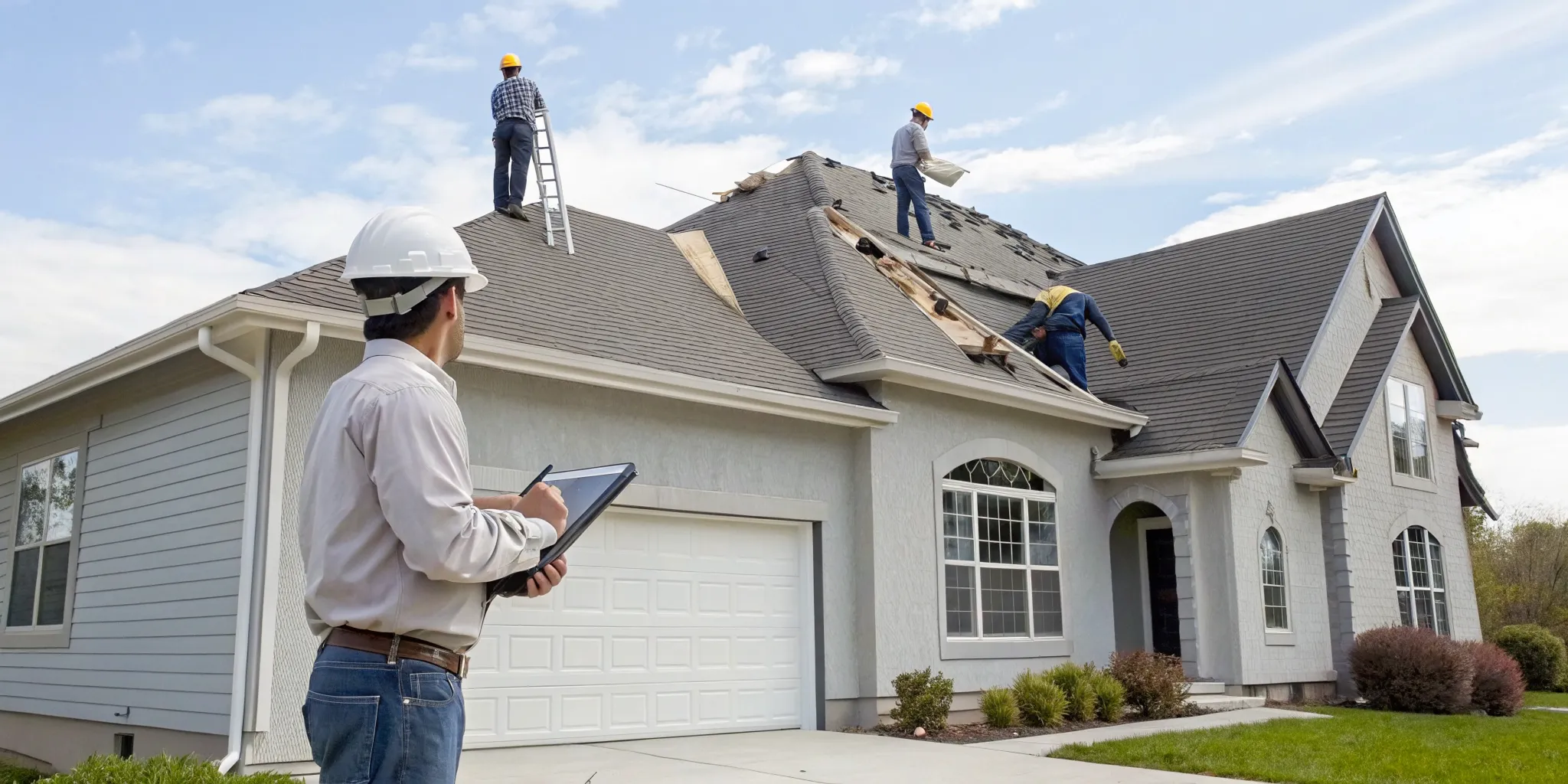
Before the insurance adjuster visits, have a trusted local roofing contractor inspect your roof. A professional roofer can identify all the damage, including issues that aren’t obvious from the ground. They will provide a detailed report and a written estimate for the repairs or replacement. This gives you a professional assessment to have on hand when the adjuster arrives. Our team offers expert inspections and can provide the detailed paperwork you need for your roof claim assistance.
What Paperwork Do I Need for My Claim?
Filing an insurance claim can feel like a huge task, but being organized makes all the difference. Think of it as building a strong case for your roof. The more clear and detailed your documentation is, the smoother the process will be. Your insurer needs specific proof to approve a claim, and it’s your job to provide it. Gathering these key documents ahead of time will put you in the best position for a successful outcome and help you get the funds you need for a quality repair or replacement.
Photos, Videos, and Weather Reports
As soon as it is safe, document everything. Take more photos and videos than you think you need, capturing the damage from multiple angles. Get close-ups of dented gutters, lifted shingles, and any visible water spots on your ceiling. Also, take wider shots to show the overall impact on your roof. Make a note of the date and time the damage occurred and save local weather reports from that day. This evidence helps prove the damage was caused by a specific event, like a hailstorm, rather than gradual wear. A professional hail damage inspection can also identify issues that aren’t obvious from the ground.
A Professional Contractor’s Assessment
While your insurance company will send its own adjuster, having an independent assessment from a trusted roofing contractor is a game-changer. This detailed report, created by an expert who is on your side, provides a credible scope of the damage and an accurate estimate for the necessary repairs or replacement. It serves as a powerful baseline for your claim. This documentation is a core part of our roof claim assistance, ensuring your insurer has a complete picture of what it will take to restore your roof properly. It shows you’ve done your homework and are serious about a fair settlement.
Your Roof’s Maintenance History
To avoid a denial based on “pre-existing damage” or “wear and tear,” it helps to show you’ve been a responsible property owner. If you have records of previous inspections, minor repairs, or gutter cleanings, gather them. This paperwork demonstrates that your roof was in good condition before the storm and that the damage is new and directly related to the recent event. Proving a history of proper care strengthens your claim and counters potential arguments from the insurer that the damage resulted from neglect. Consistent upkeep is the best way to protect your investment in your residential roofing.
Proof of Timely Filing
Insurance policies almost always include a deadline for reporting damage, so it’s important to act fast. Contact your insurance agent or claims department as soon as you discover the problem. From that very first call, keep a detailed log of every interaction. Note the date, time, and the name of each person you speak with, along with a summary of the conversation. Save all emails and any written correspondence you receive. This creates a clear paper trail that proves you reported the claim promptly and have been proactive throughout the process, which can be invaluable if any disputes come up later.
How to Prepare for the Insurance Adjuster’s Visit
Once you’ve filed your claim, the next step is a visit from the insurance adjuster. This inspection is a critical part of the process, and how you prepare can make a real difference in the outcome. The adjuster’s job is to assess the damage to your property and determine the extent of your insurance company’s liability based on your policy. It can feel a little intimidating, but it’s helpful to think of it less as a test and more as a collaborative meeting where you present your case.
Being organized and having the right support on your side will help everything go smoothly. Your goal is to make sure the adjuster sees the full scope of the damage so their report is as accurate as possible. This means having your documentation ready, knowing the key points you want to cover, and having a professional advocate by your side. By taking a few proactive steps, you can walk into the inspection feeling confident and prepared. Here’s how you can get ready for their visit and ensure you’re in the best position for a fair assessment of your property.
Know Your Policy Before They Arrive
Before the adjuster even schedules a visit, take some time to sit down with your insurance policy. Understanding your coverage is your first line of defense. Most policies cover damage from sudden events like storms, wind, and hail, but they typically won’t cover issues stemming from old age, lack of maintenance, or a previous bad installation. Knowing exactly what’s covered and what’s excluded helps you set realistic expectations and discuss your claim from an informed position. If you’re unsure about the language, don’t hesitate to ask your insurance agent for clarification on your specific coverages before the meeting.
Be Present for the Inspection
Whenever possible, make sure you are home for the adjuster’s inspection. Being present allows you to walk the property with them, point out the specific areas of concern you’ve already documented, and answer any questions they might have on the spot. This isn’t about being confrontational; it’s about being an active participant in your own claim process. You can provide context that the adjuster wouldn’t have otherwise, like explaining that a specific leak only appears during heavy, wind-driven rain. Your presence ensures that your concerns are seen and heard directly, leaving less room for misunderstandings.
Have Your Contractor There With You
Even better than just being there yourself is having your trusted roofing contractor present for the inspection. A qualified roofer acts as your professional advocate. They speak the same technical language as the adjuster and can point out subtle signs of damage that might otherwise be overlooked. Having an expert from a company that provides roof claim assistance ensures that the assessment is thorough and that all damage is properly identified and considered. This simple step can be one of the most effective ways to guarantee a fair and complete evaluation of your roof.
Understand the Settlement Offer
After the inspection, you’ll receive a settlement offer, sometimes called a scope of work, from your insurance company. It’s tempting to just accept it and move on, but you should review this document line by line with your contractor. The initial offer may not account for everything needed for a proper replacement, such as bringing your roof up to current building codes or including essential components like underlayment and flashing. Your contractor can help you identify any gaps and ensure the settlement accurately reflects the true cost of a quality residential roofing project.
Why Do Roof Insurance Claims Get Denied?
Getting a denial letter from your insurance company can feel like a major setback, especially when you’re already dealing with a damaged roof. But don’t lose hope. Often, claims are denied for specific, preventable reasons. Understanding why insurers deny roof claims is the first step toward building a stronger case, whether you’re filing for the first time or preparing an appeal. Let’s walk through the most common reasons for denial so you can be prepared for the process.
The “Normal Wear and Tear” Argument
One of the most common reasons for denial is “wear and tear.” Think of it this way: your insurance policy is designed to cover sudden, accidental damage, like from a hailstorm. It’s not meant to pay for a roof that has simply reached the end of its natural lifespan. Insurers will argue that issues like faded shingles or minor granule loss are maintenance problems, not insurable events. As Bankrate explains, home insurance generally doesn’t cover damage from old age or deterioration over time. This is why documenting a specific event, like a storm, is so critical to your claim.
Evidence of Poor Maintenance
Insurance companies expect homeowners to perform regular upkeep on their property. If an adjuster finds signs of neglect, like clogged gutters, moss growth, or pre-existing leaks that were never fixed, they may deny the claim. Their reasoning is that the new damage wouldn’t have been as severe if the roof had been properly maintained. According to Liberty Mutual, insurance won’t cover damage that happens because a roof is old or hasn’t been cared for. Regular inspections can provide proof of maintenance and help you catch small issues before they become claim-denying problems.
Policy Exclusions or Improper Installation
Every insurance policy has a list of exclusions, and it’s essential to know what’s on yours. Damage resulting from faulty workmanship or improper installation by a previous contractor is almost always excluded. If your roof wasn’t installed to code, any resulting issues won’t be covered. The Roofing Contractors Association of Washington confirms that insurers typically won’t pay for damage stemming from a bad installation. This is why choosing a reputable, licensed contractor for your residential roofing is so important for both your roof’s longevity and your ability to file a successful claim in the future.
Missing Paperwork or Missed Deadlines
When it comes to insurance claims, the clock is ticking. Most policies have a strict deadline for reporting damage, sometimes as short as a few weeks after a storm. If you wait too long to file, your claim can be denied on a technicality, regardless of the damage’s severity. You also need to provide complete and accurate paperwork. Missing documents or incomplete forms can cause significant delays or an outright denial. That’s why it’s crucial to contact your insurance company quickly and consider getting professional roof claim assistance to manage the process.
How to Choose the Right Roofing Contractor
Once your insurance claim is approved, the next big step is choosing the right team to handle the replacement. This decision is just as important as the claim itself. The right contractor will not only do quality work but will also be your advocate, making sure the process is smooth and stress-free. A great roofing partner can make all the difference, turning a potentially overwhelming project into a straightforward one. Here’s what to look for to ensure you’re hiring a true professional who has your best interests at heart.
Look for a Local Pro with Insurance Experience
When your roof needs work after a storm, you want a contractor who knows both roofing and the insurance process inside and out. A local Florida company will be familiar with our state’s specific building codes and weather challenges. More importantly, a contractor with experience in insurance claims can be a huge asset. They know how to communicate with adjusters and can help ensure the scope of work matches what’s needed to restore your roof properly. Look for a team that offers dedicated roof claim assistance to guide you through every step, ensuring no detail is overlooked.
Get Multiple, Detailed Estimates
It’s wise to get a few different opinions before you commit. Reach out to at least three reputable roofing companies for a detailed estimate. A trustworthy contractor will always start with a thorough inspection to assess the full extent of the problem. The estimate you receive shouldn’t just be a single number; it should be an itemized document that breaks down the costs for materials, labor, and any permits. This transparency helps you compare offers fairly and understand exactly what you’re paying for. A professional hail damage inspection, for example, will provide the detailed report you need to move forward confidently.
Clarify the Payment Process and Deductible
Before any work begins, have a clear conversation about the financials. Ask the contractor how they handle payments, especially when an insurance company is involved. You’ll also need to know your deductible amount, which is the portion you pay out of pocket. It’s important to check your policy, as some have a separate, higher deductible for wind or hail damage. A reputable contractor will be upfront about all costs and can explain how your deductible fits into the total payment. If you have concerns about covering this cost, ask if they offer financing options to make it more manageable.
How to Spot and Avoid Storm Chasers
After a major storm, be wary of “storm chasers.” These are often out-of-state companies that sweep into affected areas, knock on doors, and promise quick, cheap repairs. The problem is they often use low-quality materials, perform shoddy work, and are gone before you notice any issues. To protect yourself, always verify a contractor’s credentials. Ask for their local business license and proof of insurance. Check online reviews and ask for references from previous jobs in your area. A legitimate company will have a strong local presence and a proven track record of quality residential roofing services.
Related Articles
- What to Do If Insurance Won’t Pay for Roof Damage
- How to File a Roof Damage Insurance Claim: A 7-Step Guide
- Is Your Leaking Roof Covered by Insurance?
- Hail Damage Roof Insurance Claim: A Complete Guide
Frequently Asked Questions
How can I tell if my roof damage is from a storm or just old age? Storm damage often looks sudden and specific. You might see shingles that are completely missing, creased from wind, or have distinct dents from hail. Old age, or wear and tear, looks more gradual and uniform across the whole roof. This includes shingles that are brittle, curling at the edges, or have lost most of their protective granules, which can look like sand in your gutters. The surest way to know is to get a professional inspection, as an expert can identify the exact cause and document it for your claim.
What should I do if my insurance company’s settlement offer seems too low? Don’t feel pressured to accept the first offer. An initial settlement might not account for everything needed for a proper, code-compliant roof replacement. The best thing you can do is have a detailed, itemized estimate from a trusted roofing contractor. You can compare this line by line with the adjuster’s report. If there are gaps, your contractor can help you communicate with the insurer to provide the necessary evidence for a revised, more accurate settlement.
Do I have to pay my deductible directly to the roofing contractor? Yes, your deductible is your out-of-pocket contribution to the repair, and you are responsible for paying it to your contractor. Your insurance company will calculate the total cost of the replacement and then subtract your deductible amount from the check they send you. You then pay the contractor that deductible amount to cover the difference. Be cautious of any roofer who offers to “waive” or “absorb” your deductible, as this is often a red flag for insurance fraud.
My insurance claim was denied. What are my next steps? A denial isn’t always the final word. First, make sure you get the reason for the denial in writing from your insurance company so you know exactly what you’re up against. Often, you can file an appeal. To do this, you may need to provide additional evidence, such as a more detailed inspection report from a different contractor or proof of recent maintenance. Getting professional claim assistance can be very helpful during an appeal to ensure your case is as strong as possible.
How long does the entire roof insurance claim process usually take? The timeline can vary quite a bit, but it’s rarely a quick process. From filing the initial claim to getting the final check can take anywhere from a few weeks to several months. The speed depends on your insurance company’s workload, the complexity of your claim, and whether there are any disputes about the scope of damage or cost. Staying organized with your paperwork and communicating promptly with both your insurer and your contractor can help keep things moving forward.