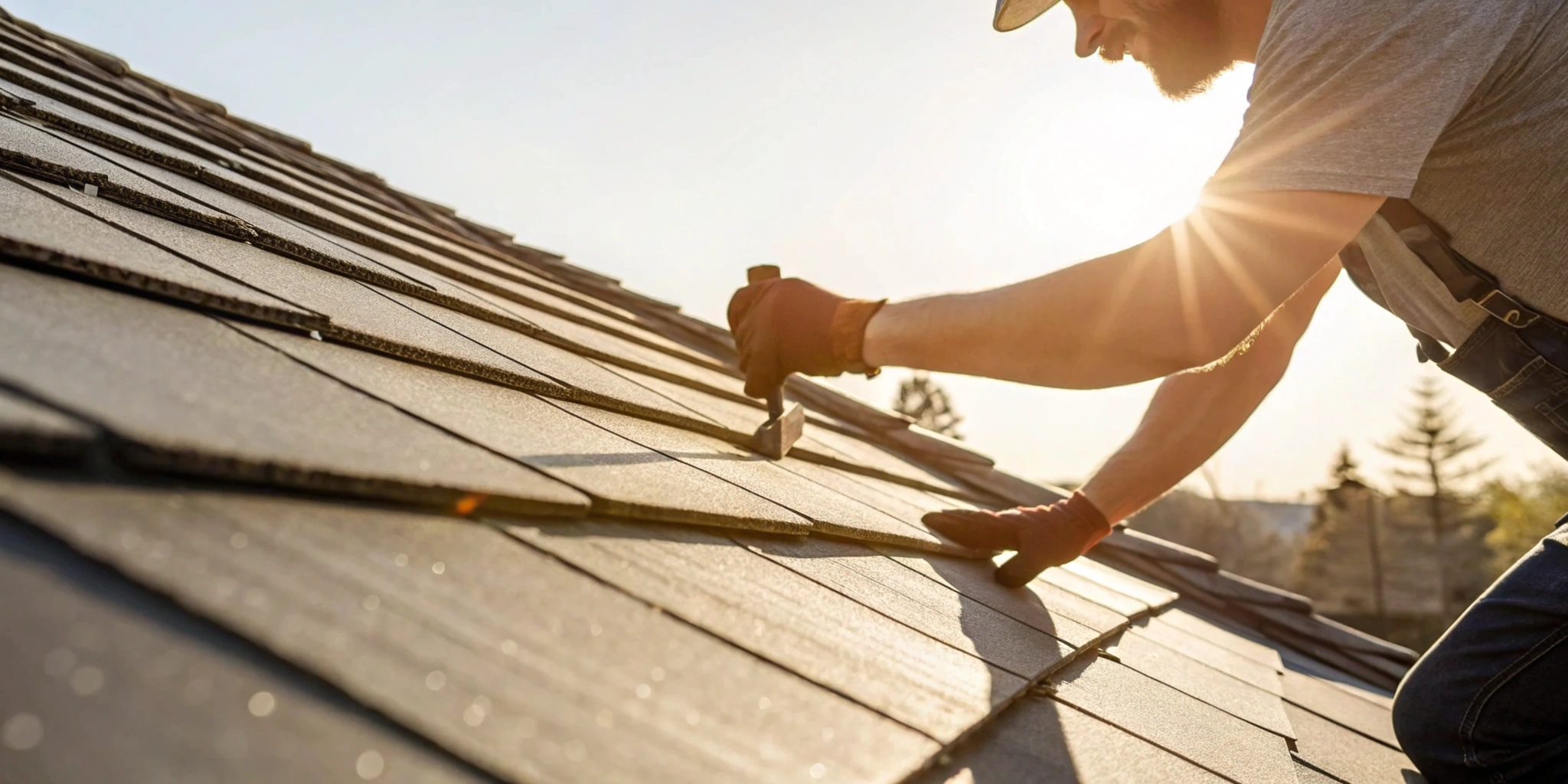
A sudden roof problem, especially after a Central Florida storm, can feel overwhelming. Whether it’s a fallen tree branch or a leak that appears out of nowhere, the key is to act quickly and calmly. Taking the right steps can prevent a minor issue from turning into a major disaster that affects your entire home. Your main goals are to secure your property, prevent further damage, and get a professional on-site as soon as possible. This article will guide you through what to do in an emergency and how to find reliable, 24/7 roof repair services in Altamonte Springs when you need them most.
Key Takeaways
- Address Warning Signs Immediately: Small issues like a ceiling stain or a few missing shingles can quickly become major structural damage in Florida’s climate. Addressing problems early saves you money and protects your home from widespread water damage.
- Insist on a Licensed and Insured Roofer: Hiring a qualified professional is non-negotiable. It ensures your repair complies with local building codes, like Florida’s 25% Rule, and protects you from liability for accidents or property damage.
- Know Your Financial Options Before You Commit: A necessary roof repair doesn’t have to be a financial crisis. Be sure to explore all avenues, including insurance claims for storm damage, contractor financing, and any existing material or workmanship warranties.
What Are the Most Common Roof Repairs in Altamonte Springs?
Living in Altamonte Springs means enjoying beautiful Florida weather, but that same climate can be tough on your roof. The combination of intense sun, heavy seasonal rains, high humidity, and the occasional hurricane means your roof is constantly working to protect your home. Over time, these elements can lead to specific types of wear and tear that are common across Central Florida. From the slow, creeping damage caused by UV rays to the sudden impact of a summer storm, the challenges are unique to our area.
Understanding these common issues is the first step in keeping your roof in great shape. When you know what to look for, you can spot potential problems early and address them before they turn into costly, stressful headaches. A small leak or a few missing shingles might not seem like a big deal, but they can quickly lead to significant structural damage, mold growth, and compromised insulation. Think of it as preventative care for your home. A well-maintained roof not only keeps your family safe and dry but also contributes to your home’s energy efficiency and overall value. Below, we’ll walk through the most frequent roof repairs we handle in Altamonte Springs, so you can feel confident in protecting your biggest investment from the top down.
Damage from Heavy Rain and Water
It’s no secret that Central Florida gets a lot of rain. Those heavy downpours can easily exploit any weak spots in your roofing system. One of the most frequent problems we see is water damage from leaks. This often happens when flashing around chimneys or vents is compromised, or when gutters get clogged and cause water to back up under the shingles. Even a tiny leak can lead to significant issues inside your home, including stained ceilings, damaged insulation, and mold growth. If you notice any signs of water intrusion, it’s important to get a professional residential roofing inspection to find the source before the damage spreads.
Issues Caused by High Winds and Hurricanes
Florida’s storm season brings high winds that can be incredibly destructive. Strong gusts can lift the edges of your shingles, causing them to curl, crease, or tear off completely, leaving your roof’s underlayment exposed to the elements. During a hurricane or severe thunderstorm, flying debris can also cause impact damage, creating punctures or cracks in your roofing material. This kind of damage isn’t always visible from the ground, which is why a thorough hail damage inspection after a major storm is always a good idea. Addressing wind damage quickly is key to preventing widespread leaks and protecting the structural integrity of your home.
Sun Damage and Shingle Wear
The relentless Florida sun is another major factor in roof deterioration. Constant exposure to harsh UV rays breaks down the materials in your shingles over time, causing them to become dry and brittle. You might notice your shingles starting to crack, or you may see an accumulation of asphalt granules in your gutters. These granules are a protective layer, and once they’re gone, your shingles are much more vulnerable to damage from rain and wind. This gradual wear is normal, but it’s important to monitor its progress. Regular maintenance can help you get the most out of your roof’s lifespan and plan for an eventual replacement before major issues arise.
Problems from Humidity and Moisture
High humidity is a year-round reality in Altamonte Springs, and it can create the perfect environment for moisture-related roof problems. You might notice dark streaks or patches of algae and moss growing on your shingles. While this may seem like a cosmetic issue, these organisms can trap moisture against the roof surface, which accelerates shingle decay. Humidity can also cause problems inside your attic if it isn’t properly ventilated. Trapped, moist air can lead to condensation on the underside of your roof deck, causing wood to rot from the inside out. If you suspect moisture issues, our team can help you identify the cause and provide roof claim assistance if the damage is part of a covered event.
How to Tell If Your Roof Needs Repair
Your roof is your home’s first line of defense, but it’s easy to forget about it until a problem pops up. The good news is that your roof often gives you clues that it needs attention long before a major leak occurs. Knowing what to look for—both inside and outside your home—can help you catch issues early and save yourself from bigger headaches down the road.
Warning Signs Inside Your Home
The most unmistakable sign of a roof problem is water where it shouldn’t be. Keep an eye out for dark stains or discoloration on your ceilings and walls, as this often points to a slow leak. Continuous exposure to Florida’s rain can find its way through even the smallest cracks in an older or poorly maintained roof. You might also notice paint peeling or bubbling near the ceiling. Don’t forget to check your attic periodically, especially after a storm. A musty smell or visible dampness on the insulation or wood beams are clear indicators that it’s time to investigate the source.
Damage You Can See from the Ground
You don’t need a ladder to spot many common roof issues. Take a walk around your property and look up. Are any shingles missing, cracked, or curling at the edges? Do you see dark streaks or signs of moss growth? These can indicate that your shingles are holding moisture. Also, check your gutters for an accumulation of shingle granules—that sandy material is what protects your shingles from the sun. If you see a lot of it, it means your shingles are aging. Any sagging or drooping spots are a major red flag that could point to structural issues.
When to Call for a Professional Inspection
While spotting these signs is a great first step, a DIY diagnosis can miss underlying problems. If you notice any of the warning signs, it’s time to call in a professional. A trained inspector can safely get on your roof to assess the full extent of the damage, from the quality of the shingles to the state of the flashing and drainage. Getting a comprehensive hail damage inspection after a storm, for example, can uncover issues you can’t see from the ground. A thorough evaluation gives you a clear picture of your roof’s health and helps you decide on the best course of action for repairs.
What to Expect from a Professional Roof Inspection
If you’ve spotted a few warning signs or just want peace of mind after a big storm, a professional roof inspection is your next best step. It’s a thorough health check for your roof, designed to catch problems before they escalate. Knowing what happens during this process can help you feel more prepared and confident in the decisions you make for your home. A qualified inspector doesn’t just glance at your shingles; they conduct a comprehensive evaluation to give you a clear picture of your roof’s condition and what it needs to keep protecting your family and property.
The Full Assessment Process
A professional roof inspection starts with a detailed assessment to evaluate your roof’s overall condition. The inspector will examine every component, both inside and out. This includes checking your attic for signs of leaks, poor ventilation, or water damage. On the exterior, they’ll walk the roof to look for cracked, curling, or missing shingles, inspect the flashing around chimneys and vents, and check your gutters for blockages or granule loss. This complete evaluation helps identify not just current issues but also potential problems that could arise down the road. A specialized hail damage inspection, for example, will focus on the specific impact marks and structural weaknesses caused by hailstones.
How to Read Your Inspection Report
After the physical inspection is complete, you’ll receive a detailed report. This document is your roadmap to understanding your roof’s health. It should include photos of any problem areas, a clear description of the issues found, and specific recommendations for maintenance or repairs. A good report will be easy to understand, breaking down technical terms so you know exactly what’s going on. It will also typically include an estimate for the proposed work. This report is a crucial tool, especially if you need to file an insurance claim. Having clear, professional documentation makes the roof claim assistance process much smoother.
Free vs. Paid Roof Evaluations
You’ll find that many local roofing companies offer both free and paid inspections, and it’s helpful to know the difference. A free inspection is an excellent way to get an initial assessment, especially if you have a specific concern like a leak or visible storm damage. It gives you a chance to meet the contractor and get a professional opinion without any financial commitment. A paid, more comprehensive evaluation might be necessary for real estate transactions or detailed insurance documentation. At Sky Light Roofing, we provide a thorough, no-obligation inspection to assess your residential roofing needs and give you an honest recommendation you can trust.
What Factors into Altamonte Springs Roof Repair Costs?
When you get a quote for a roof repair, you’re seeing more than just a price for patching a leak. The final cost is a careful calculation that balances materials, labor, the specific nature of the damage, and local regulations. In a place like Altamonte Springs, where the sun, rain, and wind are relentless, choosing the right materials and a skilled team is an investment in your home’s protection. The price of a residential roofing project can vary significantly, so it’s helpful to understand exactly what you’re paying for.
A transparent quote from a trusted roofer will break down these elements for you. It’s not just about the square footage of the repair area; it’s about the type of shingles or tiles needed to match your existing roof, the underlying materials like decking and underlayment that may need replacement, and the hours of skilled labor required to do the job correctly and safely. While it can be tempting to go with the lowest bid, that price might not account for crucial factors like pulling the correct permits or adhering to Florida’s strict building codes. Understanding the key components of a roofing estimate will empower you to ask the right questions and choose a contractor who offers true value, not just a low price.
Cost of Materials and Labor
The two biggest line items on any roofing estimate are materials and labor. The type of material on your roof—whether it’s common asphalt shingles, classic tile, or durable metal—is a primary cost driver. Each has a different price point and requires specific installation techniques. Beyond the visible material, costs also include underlayment, flashing, and fasteners, all of which are essential for a watertight repair.
Labor costs reflect the expertise and efficiency of the roofing crew. A professional contractor’s hourly rates cover their team’s skill, insurance, and the use of proper safety equipment. A roof with a steep pitch, multiple levels, or difficult access points will require more time and specialized work, which will be factored into the labor price. Investing in quality workmanship ensures your repair will last.
The Extent of the Damage
Naturally, a few missing shingles will cost less to fix than widespread damage from a fallen tree. The scope of the repair is a major factor in the total price. However, in Florida, the extent of the damage is also tied to a specific regulation known as the “25% Rule.” This rule states that if more than 25% of your roof is damaged, the entire roof must be brought up to the current building code, which often means a full replacement is necessary.
This is why a comprehensive hail damage inspection is so important after a storm. What looks like a small issue could be part of a larger problem that triggers this rule. Understanding the full scope of the damage is also critical when seeking roof claim assistance to ensure your insurance covers the work required by law.
Local Permit and Building Code Requirements
In Altamonte Springs, any roofing work beyond minor repairs requires a building permit. This isn’t just red tape; it’s a system designed to ensure all work is performed safely and meets the standards of the Florida Building Code. The fee for the permit itself will be included in your total project cost. A reputable contractor will handle the entire permitting process for you, from application to final inspection.
Working with a licensed roofer who understands local codes is essential. They will ensure your repair is compliant, which is crucial for your home’s safety, your insurance coverage, and its future resale value. Adhering to code might mean using specific materials or installation methods, which can influence the cost but guarantees the repair is done correctly and legally.
How to Find a Reliable Roofer in Altamonte Springs
Finding the right roofer can feel like a huge task, but it doesn’t have to be. Your roof is one of the most important parts of your home, so taking the time to choose a trustworthy professional is a smart investment. A great contractor will not only do quality work but also make the process smooth and stress-free. By knowing what to look for—and what to avoid—you can confidently hire a team that will protect your home for years to come. The key is to focus on credentials, do a little homework, and trust your gut when something feels off.
Must-Have Licenses, Insurance, and Certifications
First things first: any roofer you consider must be properly licensed and insured. In Florida, roofing contractors are required to be licensed through the Department of Business and Professional Regulation (DBPR). This isn’t just a suggestion; it’s the law, and it ensures they meet state standards for safety and quality.
Beyond licensing, confirm they carry both general liability insurance and worker’s compensation. General liability protects your property in case of accidental damage, while worker’s comp covers their crew if someone gets injured on the job. Without this coverage, you could be held financially responsible. Don’t just take their word for it—ask to see proof of their certificates before signing anything.
How to Research and Vet Local Contractors
Once you’ve confirmed the essentials, it’s time to dig a little deeper. Start by looking at online reviews on sites like Google and the Better Business Bureau, but don’t stop there. Ask for a list of local references you can call. Speaking directly with past customers gives you a real-world sense of their workmanship and professionalism.
Get at least three written estimates to compare. A detailed quote should outline the scope of work, materials, and costs. A professional contract will also state that the contractor is responsible for obtaining all necessary permits and will provide you with a notarized Release of Lien upon payment. This document is crucial, as it proves they’ve paid their subcontractors and suppliers. This level of detail is standard for any quality residential roofing project.
Red Flags to Watch Out For
Knowing what to avoid is just as important as knowing what to look for. Be cautious of “storm chasers”—contractors who appear at your door right after a major weather event using high-pressure sales tactics. A reputable local roofer won’t need to solicit business this way.
A major red flag is any contractor who asks you to pull the building permit. This is their responsibility, and putting it on you shifts all liability to your shoulders. Also, be wary of anyone demanding a large cash deposit upfront or offering a deal that sounds too good to be true. If you’re working through an insurance claim, a trustworthy roofer will offer roof claim assistance without pressuring you into a contract on the spot.
What Local Roofing Rules Do You Need to Know?
Getting your roof repaired involves more than just hammers and shingles; it also means following local and state regulations. These rules are in place to protect you, ensuring your roof is safe, secure, and up to standard. While it might seem like extra red tape, understanding these requirements helps you make informed decisions and ensures your project goes smoothly from start to finish. A professional roofer will handle the details, but knowing the basics empowers you as a homeowner. From pulling the right permits to understanding state-specific laws, here’s what you need to know about roofing rules in the Altamonte Springs area.
Permit Requirements in Altamonte Springs
If you’re planning anything more than a minor repair, you’ll likely need a permit. The Florida Building Code requires permits for most construction work to ensure it meets safety standards. This is especially true for roofing, where structural integrity is critical. Getting a permit isn’t just a formality; it’s a record that the work was done correctly and legally. When it comes time to sell your home, potential buyers will check public records to see if modifications were properly permitted. Working with a contractor who understands and handles the permitting process for you is essential for a stress-free repair that protects your investment for years to come.
How Florida’s 25% Rule Affects Your Repair
Florida has a unique regulation known as the “25% Rule,” which can significantly impact your roof repair, especially after a storm. This rule states that if more than 25% of your total roof area is damaged by a single event, like a hurricane, your insurance policy may be required to cover a full roof replacement, not just a patch job. This is designed to prevent a patchwork of old and new materials that could compromise the roof’s overall strength. A thorough hail damage inspection is crucial to accurately assess the extent of the damage and determine if this rule applies to your situation.
Why You Need a Licensed Contractor for Code Compliance
Navigating building codes and permit requirements is exactly why you should always hire a licensed contractor. In Florida, roofing contractors must be licensed by the Department of Business and Professional Regulation (DBPR), which confirms they have the necessary knowledge, experience, and insurance. A licensed professional understands the specific requirements of the Florida Building Code and local ordinances. They ensure every aspect of your residential roofing project is compliant, from the materials used to the installation techniques. This not only guarantees high-quality, safe workmanship but also protects you from potential legal issues or fines that can arise from unpermitted or non-compliant work.
Why You Should Fix Roof Problems Right Away
It’s easy to put roof repairs on the back burner. Life gets busy, and if a small leak isn’t causing an immediate problem, you might think you can wait. But when it comes to your roof, procrastination can lead to serious consequences, especially here in Florida. A small issue can quickly spiral into a major, expensive disaster that affects your entire home. Acting fast not only protects your property but also saves you stress and money down the road. Knowing when to call a professional is the first step toward preventing further damage and keeping your home safe and secure.
Stop Small Issues from Becoming Major Headaches
That one missing shingle or tiny water spot on the ceiling might seem harmless, but it’s often a sign of a bigger problem brewing. Water is persistent; it will find its way through any vulnerability in your roof. What starts as a minor leak can seep into your attic, soak your insulation, and lead to wood rot in your home’s framing. Before you know it, you’re dealing with widespread water damage and the potential for mold growth, which can pose health risks to your family. Addressing these issues early with professional residential roofing services is the key to stopping a small problem from turning into a full-blown structural crisis that costs thousands to fix.
Protect Your Home from Florida’s Climate
Florida’s weather is no joke. The combination of intense sun, torrential downpours, high humidity, and the ever-present threat of hurricanes puts immense stress on your roof. The sun’s UV rays can cause shingles to become brittle and crack, while heavy summer storms can easily exploit those weaknesses, leading to leaks and water damage. High humidity also contributes to moisture buildup, which can accelerate deterioration. Your roof is your home’s primary defense against these elements. Keeping it in top condition ensures it’s ready to withstand the next storm and protects everything—and everyone—inside. A timely repair can make all the difference when severe weather hits.
Maintain Your Property Value and Save on Energy
Your roof plays a huge role in your home’s curb appeal and overall property value. A damaged, worn-out roof can be a major red flag for potential buyers and can even cause issues with your homeowner’s insurance. In fact, regular inspections are essential for avoiding claim denials and maintaining coverage. A compromised roof can also lead to higher energy bills, as heat and cool air escape through cracks and poor insulation. By fixing problems promptly, you not only preserve your home’s value but also improve its energy efficiency. If you do face storm damage, getting expert roof claim assistance can help you manage the process and ensure your home is protected financially.
What Are Your Options for Emergency Roof Repair?
A sudden roof problem can feel overwhelming, especially when a Central Florida storm is the culprit. Whether it’s a tree branch crashing down or a leak that appears out of nowhere, the key is to act quickly and calmly. Taking the right steps can prevent a minor issue from turning into a major disaster that affects your entire home. Your main goals are to secure your property, prevent further damage, and get a professional on-site as soon as possible. It’s not just about patching a hole; it’s about getting a rapid response from a team that understands how to handle storm damage and can provide a durable, long-term solution.
When to Call for Immediate Help
Some roof issues can wait for a scheduled appointment, but others demand immediate attention. If you notice water actively dripping from your ceiling, see water stains spreading on your walls, or find missing shingles scattered across your yard after a storm, it’s time to call a professional right away. Any visible structural damage, like a sagging roof deck, is also a clear sign you need emergency roof repair. Hesitating can lead to more extensive and expensive problems, including electrical hazards, damaged insulation, and mold growth. The sooner you get an expert to your home, the better you can contain the damage and start on a solution that protects your property for the long haul.
Temporary Fixes to Prevent Further Damage
While you wait for a roofing crew to arrive, you can take a few simple steps to minimize interior damage. If you have an active leak, place buckets or waterproof tarps under it to catch the water. If it’s safe to do so, move furniture, electronics, and other valuables out of the affected area to protect them from water damage. These are temporary measures designed to control the situation until a professional can safely get on your roof and apply a more secure solution, like an emergency tarp. Acting fast can make a significant difference when it comes to your roof claim assistance, as insurance companies want to see that you took reasonable steps to prevent further issues.
Finding 24/7 Emergency Roofing Services
Roofing emergencies don’t stick to a 9-to-5 schedule, so you need a contractor who doesn’t either. When disaster strikes, look for a local roofing company that specifically offers 24/7 emergency services. A reliable emergency roofer will have a team ready to respond at any time, day or night. They should be able to quickly assess the damage, perform temporary repairs to stop leaks, and schedule a follow-up for a permanent fix. When you call, be prepared to describe the problem clearly so they can dispatch a team with the right equipment to secure your home. Having a trusted, around-the-clock service on your side provides invaluable peace of mind when you need it most.
How Can You Pay for Your Roof Repair?
A roof repair is often an unexpected expense, but it’s one you can’t put off. The good news is you don’t have to drain your savings to cover the cost. From flexible payment plans to insurance claims, there are several ways to manage the expense of protecting your home. Understanding your options ahead of time can make the entire process feel much less stressful. Let’s walk through the most common ways to pay for your roof repair so you can choose the path that works best for your budget and your situation.
Explore Your Financing and Payment Options
If paying for a roof repair out-of-pocket feels overwhelming, you’re not alone. Many homeowners choose to finance the project, breaking down the total cost into manageable monthly payments. With professional labor costs often running between $50 and $75 per hour, financing can make an urgent repair accessible without delay. Reputable roofing companies partner with lenders to offer plans that fit different budgets. This allows you to get the necessary work done right away, protecting your home from further damage while you pay for it over time. Be sure to ask your contractor about the financing options they have available.
Get Help with Your Insurance Claim
If your roof was damaged by a storm, wind, or hail, your homeowner’s insurance policy will likely cover the repairs. The first step is to get a professional inspection to document the extent of the damage. Your insurance company will then send their own adjuster to assess the situation. In Florida, homeowners have a key protection known as the “25% Rule.” This law states that if more than a quarter of your roof is damaged in a single event, your insurance must cover a full replacement. Working with a contractor who offers roof claim assistance can help you get a fair assessment and ensure your claim is handled correctly.
Understand Your Warranty Protection
Warranties can be a lifesaver when it comes to roof repairs. There are typically two types of warranties to be aware of: the manufacturer’s warranty, which covers the roofing materials themselves, and the contractor’s workmanship warranty, which covers the installation. If your roof is failing because of defective shingles or a mistake made during the initial installation, a warranty could cover the full cost of the repair. Before you pay for anything, check the paperwork from your last roof installation to see what’s covered. Choosing a contractor who provides strong warranties on their residential roofing services is one of the best ways to protect your investment long-term.
Related Articles
- Roof Repair & Replacement in Central Florida | Sky Light Roofing Inc.
- 6 Best Flat Roof Repair Materials: A Florida Guide
- How to Do a Roof Repair From Inside Your Attic
- 5 Signs It’s Time for a Roof Repair in the Villages, FL
- The Ultimate Guide to Commercial Roof Replacement
Frequently Asked Questions
How often should I have my roof inspected, even if I don’t see any problems? It’s a great idea to have your roof professionally inspected at least once a year. Think of it like an annual check-up. In Central Florida, our roofs take a beating from the sun and rain, so an annual look can catch small issues before they grow. It’s also smart to schedule an inspection after any major storm passes through, just to be sure there isn’t any hidden damage from wind or hail.
Will my homeowner’s insurance cover the cost of my roof repair? This really depends on what caused the damage. Most insurance policies cover damage from sudden events like storms, wind, or fallen trees. However, they typically don’t cover repairs needed due to old age or a lack of maintenance. The best first step is to get a professional inspection to document the cause and extent of the damage. A good roofer can provide the detailed report you’ll need to file a claim and can often help you with the process.
How do I know if I need a simple repair or a full roof replacement? The decision often comes down to the age of your roof and the scale of the damage. If your roof is relatively new and the damage is contained to one small area, a repair is usually the right call. However, if your roof is nearing the end of its lifespan or has widespread issues, a replacement is a better long-term investment. In Florida, we also have the “25% Rule,” which may require a full replacement if more than a quarter of your roof is damaged.
How long does a typical roof repair take to complete? The timeline for a repair can vary quite a bit. A straightforward fix, like replacing a few missing shingles, can often be done in just a few hours. More complex repairs that involve fixing underlying structural damage could take a few days. Factors like weather, the type of roofing material, and the complexity of your roof’s design all play a role. Your contractor should give you a clear and realistic timeline before any work begins.
What happens if more damage is found after the repair starts? This is a common concern, and a professional contractor will have a clear process for it. If our team uncovers an unexpected issue, like rotted decking under your shingles, we stop work immediately. We will then document the problem with photos, explain the situation to you clearly, and provide a revised plan and quote for your approval. We never move forward with additional work until you understand the issue and have signed off on the solution.