Trust is the most important tool in any roofing project. You need to feel confident that the company you hire is honest, skilled, and committed to doing the job right. Unfortunately, it’s not always easy to tell the true professionals from the contractors who might cut corners. Knowing how to spot the difference is key to avoiding future headaches and protecting your wallet. The search for the best asphalt shingle roofing company is really a search for a team with integrity. This guide will show you what to look for in customer reviews, how to verify credentials, and what red flags to avoid.
Key Takeaways
- Vet your roofer’s qualifications, not just their price: Before signing anything, confirm the contractor has a valid state license and full insurance coverage. Also, ask about manufacturer certifications, as these often indicate a higher level of skill and provide access to stronger warranties.
- Prioritize materials built for Florida’s climate: Your roof faces intense sun, high winds, and humidity. Choose architectural shingles with high wind ratings for hurricane season and consider algae-resistant options to prevent unsightly streaks and maintain your home’s curb appeal.
- Get all project details in writing to avoid surprises: A clear contract is essential for a smooth process. Ensure it includes an itemized cost breakdown, a specific project timeline, and a full explanation of both the material and workmanship warranties.
What Makes a Great Asphalt Shingle Roofer?
Choosing a roofer can feel overwhelming, but knowing what to look for makes the process much easier. A great roofing company doesn’t just install shingles; they provide peace of mind. They combine technical skill with a genuine commitment to protecting your home or business. From understanding the local climate to communicating clearly, the best roofers stand out by focusing on quality and customer care every step of the way. Here are the key qualities that separate the experts from the rest.
Expertise in Florida’s Climate
Florida’s weather is no joke. Between the intense sun, high humidity, and hurricane season, your roof takes a serious beating. A top-tier roofer understands these specific challenges and knows which materials will hold up. Asphalt shingles are a fantastic choice for their durability and resistance to wind, fire, and algae, but only if they’re right for our climate. An expert will guide you toward shingles with high wind ratings and features that prevent algae growth, ensuring your residential roofing investment lasts for years. They won’t just sell you a roof; they’ll recommend a roofing system designed to withstand everything Florida throws at it.
Proper Licensing and Insurance
This one is non-negotiable. A reputable roofing contractor must have the proper state and local licenses to operate legally. They also need to carry both liability insurance and workers’ compensation. This isn’t just about them following the rules; it’s about protecting you. If an uninsured worker gets injured on your property, you could be held financially responsible. Before you even think about signing a contract, ask for proof of their license and insurance certificates. A professional company will have this information ready and will be happy to provide it. It’s a simple step that can save you from major headaches down the road.
High-Quality Materials and Workmanship
The final product is only as good as the materials used and the skill of the people installing them. A great roofer partners with trusted manufacturers known for producing strong, reliable shingles that keep their appearance over time. They don’t cut corners with subpar products to save a few dollars. Equally important is the quality of the installation. Even the best shingles will fail if they aren’t installed correctly. Look for a company with a team of skilled, experienced installers who take pride in their work. The quality of your commercial roofing project, for example, depends entirely on this combination of superior materials and expert craftsmanship.
Clear Communication and Customer Care
A roofing project is a significant undertaking, and you deserve to be kept in the loop. The best companies make communication a priority, providing regular updates and answering your questions promptly. As one customer noted, “I loved how they kept me up to date on everything.” This level of service builds trust and ensures there are no surprises. Whether you’re getting a simple repair or handling a roof insurance claim, you should feel supported and informed from the initial inspection to the final cleanup. Excellent customer care means they respect your time, your property, and your budget, making the entire experience as smooth as possible.
Who Installs the Best Asphalt Shingles in Central Florida?
Finding the right asphalt shingles is only half the battle; the other half is choosing a contractor who will install them perfectly. The best materials can fail if they aren’t installed by a skilled, certified professional. In Central Florida, several contractors and certifications stand out as marks of quality, ensuring your roof is built to last. Here are some of the top names and credentials to look for when choosing an installer.
Sky Light Roofing: Your Local Experts
When you want a team that understands the specific challenges of Florida weather, a local expert is your best bet. At Sky Light Roofing, we’ve built our reputation on providing high-quality residential roofing services with a focus on professionalism and efficiency. Our customers often tell us how much they appreciate our clear communication and skilled workmanship, with some projects completed in as little as one day. We combine deep local knowledge with a commitment to giving you a seamless and stress-free experience from the initial inspection to the final cleanup. We’re not just contractors; we’re your neighbors, dedicated to protecting your home.
GAF Master Elite Contractors
GAF is one of the leading shingle manufacturers in North America, and their Master Elite Contractor certification is not easy to earn. Only 2% of all roofing contractors qualify for this status, which requires them to be properly licensed, adequately insured, have a proven reputation, and be committed to ongoing professional training. Hiring a GAF Master Elite Contractor means you get access to some of the best roofing shingles and the strongest warranties available, like the Golden Pledge® warranty. This exclusive coverage protects against material defects and workmanship errors, giving you ultimate peace of mind.
CertainTeed Certified Installers
CertainTeed is another top-tier shingle manufacturer known for its durable products and wide array of color options. To ensure their roofing systems perform as designed, the company offers credentials to installers who meet their rigorous standards. A contractor with a CertainTeed certification has demonstrated extensive knowledge of shingle installation and roofing science. Choosing a certified installer is the best way to receive the full benefits of CertainTeed’s generous warranty terms. It’s a smart move that protects your investment and guarantees your roof is installed according to the manufacturer’s exact specifications for long-term performance.
Owens Corning Preferred Contractors
Owens Corning is a household name in building materials, and their roofing products are engineered for outstanding durability. Their Preferred Contractor network consists of roofing professionals selected for their commitment to service, reliability, and craftsmanship. These contractors are trained to install Owens Corning products, including their popular Duration shingles with patented SureNail® Technology for exceptional wind resistance. For Florida homeowners, this is a huge plus. When you work with an Owens Corning Preferred Contractor, you can be confident your roof is ready to handle intense sun, heavy rain, and high winds.
How Do You Choose the Right Roofing Company?
Picking a roofing company feels like a huge decision, because it is. Your roof is your home’s first line of defense against Florida’s intense sun, heavy rains, and hurricane-force winds. You’re not just buying shingles; you’re investing in safety, security, and peace of mind. So, how do you sift through the options and find a team you can truly trust? It comes down to asking the right questions and knowing what to look for.
A great roofer does more than just nail down shingles. They act as your partner, guiding you through material selection, explaining the process clearly, and standing by their work for years to come. You want a company with a solid local track record, the right credentials, and a team that communicates well. It’s also important to find a contractor who understands the specific challenges of our climate. From sudden storms to hail, a local expert knows what your roof needs to withstand the elements. Taking the time to vet your options now will save you from headaches and costly repairs down the road.
Check Their Local Reputation and Reviews
Before you even pick up the phone, do a little online digging. What are your neighbors saying? Customer reviews are your best window into a company’s real-world performance. Look for feedback that speaks to more than just the final product. For example, comments like, “Sky Light did an excellent job on my roof this week at a great price,” show a focus on both quality and value. Pay attention to mentions of professionalism and communication. A review praising a company for keeping the customer updated and finishing the job quickly tells you they respect your time and property. These details paint a picture of a reliable and efficient team.
Ask About Emergency Services
In Florida, a small leak can become a big problem overnight. That’s why it’s smart to choose a roofer who offers emergency roof repair. When a storm hits or you discover unexpected damage, you don’t have time to search for a new contractor. You need a trusted team that can respond quickly to protect your home from further issues. Ask potential companies about their availability for urgent situations. A roofer who provides prompt service and fair pricing during a crisis is one you can count on long-term. It’s a sign that they are committed to their customers, not just the next job.
Verify Their Hail Damage Expertise
Hail might not be the first thing you think of in Florida, but these sudden storms can do serious damage to an asphalt shingle roof. A roofer with specific experience in this area is a major asset. They know exactly what to look for during an inspection and can help you understand your options. An expert can also explain the details of manufacturer warranties, which often have specific clauses for hail. Knowing a company has proven hail damage inspection skills gives you confidence that they can handle whatever the weather throws your way and help you make the most of your warranty.
Explore Financing and Payment Options
A new roof is one of the most important investments you’ll make in your home, and it’s okay to think about the budget. Don’t let cost be a barrier to getting the quality roof you need. Reputable companies understand this and offer flexible financing to make the project more manageable. Investing in high-quality materials and professional installation now protects your home and can save you money on future repairs. Ask about payment plans and options upfront. A company that is transparent about costs and willing to work with you on a financial solution is one that puts its customers first.
How Do Roofing Warranties Actually Work?
A new roof is a major investment, and a warranty is your key to protecting it. But let’s be honest, warranty documents can feel like they’re written in another language. Understanding what you’re getting is essential before you sign any contract. Most roofing projects come with two separate warranties that work together to cover your home. One comes from the manufacturer of the materials, and the other comes from the contractor who installs them. Knowing the difference is the first step to making sure you’re truly covered for years to come.
Manufacturer vs. Workmanship Warranties
Think of these as two different layers of protection. The manufacturer’s warranty covers the physical products, like the asphalt shingles themselves. If the shingles have a defect that causes them to fail earlier than expected, this warranty kicks in. However, it’s important to read the fine print. Most standard shingle warranties cover the cost of new materials and the labor to install them, but they often don’t cover the expense of tearing off and disposing of the faulty roof.
The second layer is the workmanship warranty, which comes directly from your roofing contractor. This warranty covers the quality of the installation. A great product can still fail if it’s not installed correctly, so this coverage is critical. It protects you from issues like leaks or loose shingles caused by installation errors. This is why choosing a reputable, skilled roofer who stands behind their work is just as important as picking high-quality shingles.
Understand Coverage Length and Transferability
The term “lifetime warranty” can be a bit misleading. It usually refers to a non-prorated period, often the first 10 years, where the manufacturer will cover 100% of the replacement cost for defective materials. After that initial period ends, the coverage becomes prorated, meaning its value decreases each year. It’s crucial to ask for the specific details of the non-prorated and prorated periods so you know exactly what to expect down the line.
Another key detail is transferability. If you plan to sell your home, a transferable warranty can be a huge asset for the new owner. Some warranties can be transferred once, but you often have to notify the manufacturer within a specific timeframe after the sale. Always ask your contractor if both the manufacturer and workmanship warranties are transferable and what steps you need to take to ensure the next homeowner is covered.
Know What’s Covered (and What’s Not)
A warranty is not a catch-all insurance policy, and knowing the exclusions is just as important as knowing the inclusions. Generally, a manufacturer’s warranty covers defects like premature cracking or blistering. A workmanship warranty covers leaks or other failures directly resulting from the installation process. Some enhanced warranties may even cover damage from high winds up to a certain speed.
However, warranties almost never cover damage from events outside the installer’s or manufacturer’s control. This includes things like falling tree limbs, hail, or damage caused by someone walking on the roof improperly. It also won’t cover problems that arise from a lack of maintenance or unauthorized alterations. For storm-related issues, you’ll likely need to file an insurance claim, and having a trusted roofer to perform a hail damage inspection can make that process much smoother.
Debunking Common Warranty Myths
Let’s clear up a few common misconceptions about roofing warranties. First, a “lifetime” warranty doesn’t mean it lasts for your entire life. The manufacturer defines the term, and it’s usually tied to you owning the home and includes the prorated periods we talked about. Second, you can’t just have anyone install your roof and expect the best warranty. Top manufacturers like GAF and CertainTeed often require installation by certified contractors to validate their strongest warranties.
Finally, don’t assume your warranty covers every part of your roof system equally. For example, if you have skylights, they will have their own separate warranty. A VELUX skylight system might have a 10-year warranty on the installation, 20 years on the glass, and 5 years on the shades. It’s always best to ask for a clear breakdown of every component so there are no surprises.
What Should an Asphalt Shingle Roof Cost?
A new roof is one of the most important investments you’ll make in your home, so it’s smart to understand what goes into the price tag. The final cost of an asphalt shingle roof can vary quite a bit based on your specific home and the materials you choose. Getting a clear picture of the budget involves looking at several key factors, from the size of your roof to the type of shingles you select. Breaking down the estimate helps you see exactly where your money is going and ensures you’re getting a fair price for a quality job that will protect your home for years to come.
What Influences Your Project’s Cost?
The total price of your new roof isn’t pulled out of thin air. It’s a calculation based on a few key components. The most obvious factor is the size and complexity of your roof; a large, steep roof with multiple peaks and valleys will require more materials and labor than a small, simple gable roof. The type of shingle you choose also plays a big role, as does the cost of other materials like underlayment and flashing. Finally, the estimate will include labor costs, the expense of removing and disposing of your old roof, and any local permit fees required for the project.
Typical Cost Per Square Foot
In the roofing world, you’ll often hear prices quoted “per square,” which is a 10-by-10-foot area. The cost per square depends heavily on the shingle you pick. Basic 3-tab shingles are the most affordable option but have a shorter lifespan. A step up from there are architectural shingles, which are thicker, more durable, and create a dimensional look that many homeowners love. At the high end are luxury shingles, designed to mimic the appearance of natural slate or cedar shake. While they cost more upfront, they offer the best performance and curb appeal for your residential roofing project.
Look Out for Additional Fees
When you get a roofing estimate, it’s important to know what is and isn’t included. Tearing off the old shingles is a separate line item that adds to the cost, as it involves labor and disposal fees. Your city or county will also require a permit for the work, which can add a few hundred dollars to the total. One potential surprise is the discovery of rotted or damaged decking underneath your old shingles. Repairing this underlying structure is crucial for a sound roof and will be an additional cost that can’t be quoted until the old roof is removed.
How Financing Can Help
Seeing the final number on a roof replacement estimate can feel overwhelming, but viewing it as an investment in your home’s safety and value can help. A high-quality roof protects you from costly water damage, can improve your home’s energy efficiency, and certainly increases its curb appeal. To make this essential project more manageable, many homeowners explore financing options. Financing allows you to get the best roof for your home without having to pay the full amount all at once, breaking the cost down into predictable monthly payments that fit your budget.
Which Shingles Can Handle Florida Weather?
Florida’s weather is no joke. Between the intense sun, heavy rains, high humidity, and the constant threat of hurricanes, your roof takes a serious beating year-round. Choosing the right asphalt shingles isn’t just about color or style; it’s about selecting a durable material that can stand up to our unique climate. The best shingle for a home in a mild climate might not last half as long here. You need a product specifically designed to handle high winds, resist moisture, and reflect heat.
Making the right choice from the start saves you from costly repairs and premature replacements down the road. It’s about finding the perfect balance of strength, longevity, and features that make sense for a Florida home. Think of it as an investment in your home’s protection and your own peace of mind. When you understand what to look for, you can confidently select a shingle that will keep your home safe and secure, no matter what the forecast holds. This is a key part of any residential roofing project.
Three-Tab vs. Architectural Shingles
When you start looking at asphalt shingles, you’ll quickly see two main options: three-tab and architectural. Three-tab shingles are made from a single layer and have a flat, uniform look. They are a common budget-friendly choice and work well in moderate weather.
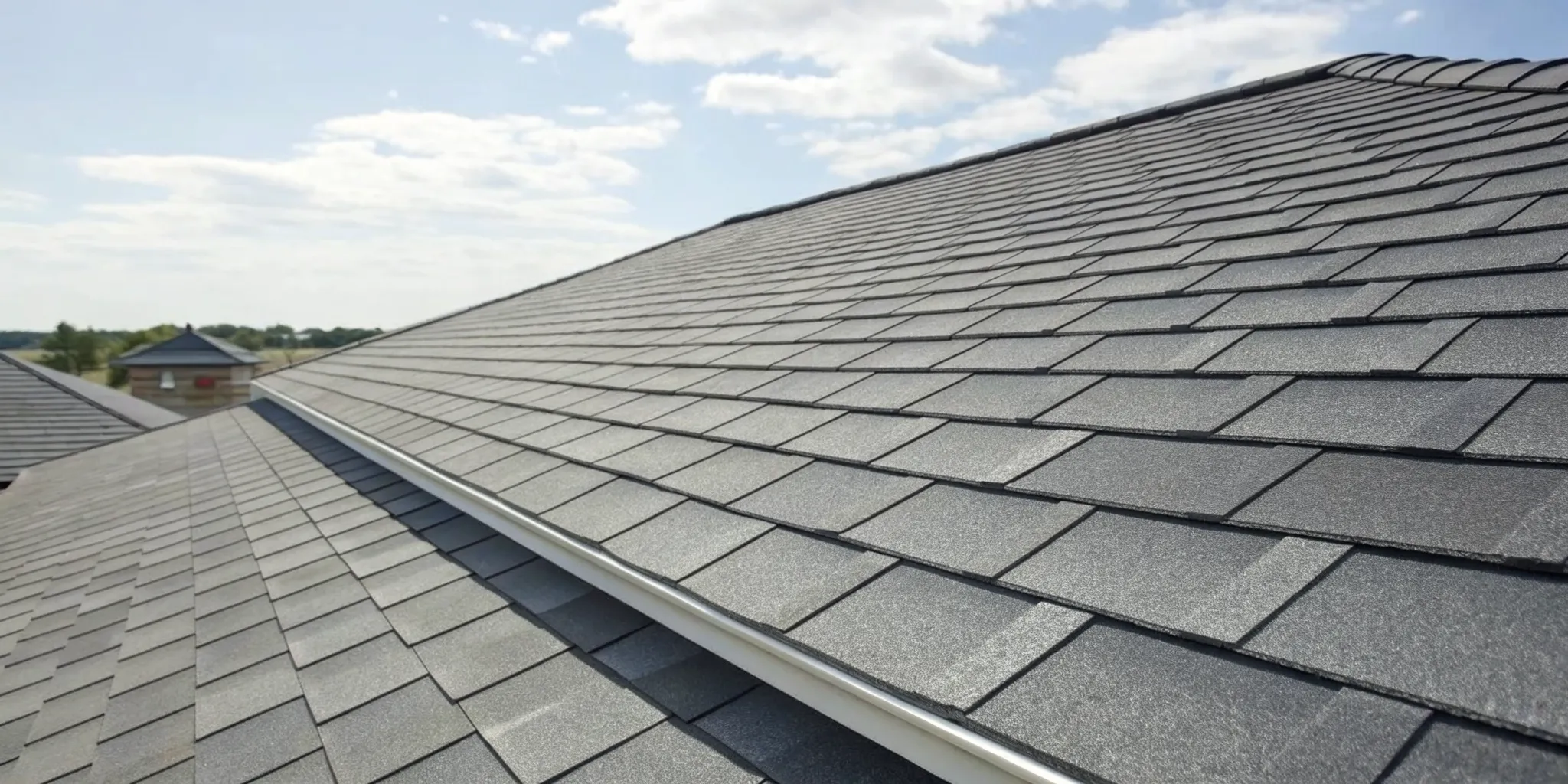
However, for Florida’s demanding conditions, architectural shingles are often the smarter investment. These are thicker, laminated shingles with multiple layers fused together. This construction gives them a dimensional, textured appearance and, more importantly, makes them significantly stronger and more resistant to wind and weather damage. While they cost more upfront, their superior durability means they typically last longer and offer better protection for your home, which is a huge advantage in our storm-prone region.
Check Wind Ratings for Hurricane Season
In Central Florida, hurricane season is a major consideration for any roofing decision. This is where wind ratings become incredibly important. Every shingle is rated for the maximum wind speed it can withstand before it starts to lift or tear off. Basic three-tab shingles are usually rated for winds up to 60 mph, which may not be enough when a serious storm rolls through.
In contrast, high-quality architectural shingles can be rated for winds up to 110 mph or even higher. When you’re comparing options, always ask about the wind rating. Investing in a shingle with a higher rating provides a critical line of defense for your home during a hurricane. It’s a feature that can mean the difference between minor clean-up and a major emergency roof repair.
Consider Algae Resistance and Energy Efficiency
Beyond wind, Florida’s sun and humidity create other challenges. The humidity can lead to unsightly black streaks on your roof, which are actually a type of algae called Gloeocapsa magma. To combat this, many shingle manufacturers offer algae-resistant options that contain copper granules, which help prevent algae growth and keep your roof looking clean.
The relentless sun can also drive up your cooling costs. That’s where energy-efficient, or “cool,” shingles come in. These shingles feature special granules that reflect more of the sun’s rays, helping to keep your attic and home cooler. This can lead to real savings on your energy bills, making them a great choice for both commercial roofing and residential properties.
Why Quality Installation Is Key
You can choose the most expensive, highest-rated shingle on the market, but it won’t perform as expected without proper installation. The durability and lifespan of your roof depend heavily on the skill of the team that installs it. A professional installer ensures that every shingle is correctly aligned and fastened, that the underlayment is properly laid, and that the roof has adequate ventilation.
Poor installation can void your manufacturer’s warranty and make your roof vulnerable to leaks and wind damage, even with the best materials. No matter which brand or style you choose, the quality of the workmanship is what truly determines how well your roof will protect your home over the long term. This is why working with an experienced, certified roofer is absolutely essential.
What Can You Learn from Customer Reviews?
When you’re vetting roofing companies, customer reviews are your secret weapon. They offer an unfiltered look at how a company truly operates, straight from the people who have been through the process. Think of it as getting advice from dozens of your neighbors at once. While a company’s website will tell you what they promise, reviews show you what they actually deliver. From the first phone call to the final cleanup, these firsthand accounts can reveal everything about their professionalism, communication style, and the quality of their work on a residential roofing project.
But reading reviews is more than just looking at star ratings. The real value is in the details. What specific things do people praise? What are the recurring complaints? A single bad review isn’t necessarily a dealbreaker, but a pattern of them is. Similarly, a string of generic five-star reviews might not be as telling as a few detailed four-star reviews that explain exactly what went right and what could have been better. By learning how to read between the lines, you can use customer feedback to confidently find a roofer who will respect your property, stick to their timeline, and deliver a high-quality result that protects your home for years to come.
What to Look for in Positive Reviews
When you scan positive reviews, look past the generic “they did a great job” comments. The most helpful feedback is specific. For example, a review that says, “I loved how they kept me up to date on everything… They got my roof done in one day,” tells you the company values clear communication and works efficiently. Another customer highlighting an “excellent job… at a great price” points to a company that delivers quality without overcharging. These details paint a clear picture of the customer experience, showing a commitment to professionalism, speed, and value. They are strong indicators that you’re dealing with a reliable and well-managed team.
Spotting Red Flags in Negative Reviews
Even the best companies get a negative review now and then. The key is to assess the complaint itself. Is it a one-off issue or part of a larger pattern? For instance, a comment like, “they started work at 6am, in violation of the Sumter County,” is a specific red flag. It suggests a potential disregard for local rules and your neighbors’ peace. Other warning signs to watch for in reviews include mentions of poor communication, surprise fees, or a messy job site. If you see the same complaints popping up repeatedly, it’s a clear signal to proceed with caution, especially when you need reliable emergency roof repair.
How Do They Respond to Feedback?
A company’s reaction to reviews is just as important as the reviews themselves. Do they respond to feedback, especially the negative comments? A professional, non-defensive reply that offers a solution shows they take accountability and care about customer satisfaction. On the flip side, positive reviews that mention great communication, like one rating it “a 10 out of 10,” reinforce that the company is proactive and values its clients. This level of responsiveness is exactly what you want when you need help with something complex like roof claim assistance. A company that actively engages with its customers online is likely to be just as attentive during your roofing project.
What Red Flags Should You Watch Out For?
Choosing a roofer is a big decision, and you want to feel confident you’re working with a true professional. While most companies are reputable, knowing a few common red flags can help you avoid a bad experience. A little awareness goes a long way in protecting your home and your wallet. Think of it as doing your homework to ensure your roofing project goes smoothly from start to finish. Here are a few things to keep an eye out for when you’re getting quotes and meeting with contractors.
Beware of High-Pressure Sales Tactics
A trustworthy roofer will give you the information you need and the space to make a decision. If a contractor is pushing you to sign a contract on the spot, that’s a major red flag. This often happens with “storm chasers” who show up after bad weather and may offer unsolicited roof claim assistance. They might use urgent language or offer a “today only” deal that feels rushed. Be wary of anyone who dramatically oversells one shingle brand over another with vague claims. A good contractor will explain the pros and cons of different materials honestly, helping you make an informed choice, not a pressured one. If you feel overwhelmed, it’s always okay to say you need time to think.
Question Estimates That Seem Too Good to Be True
We all love a good deal, but a surprisingly low roofing estimate should make you pause. If one quote is significantly lower than the others, you need to ask why. Unscrupulous contractors often cut corners to offer a low price. The estimate might not include essential costs like tearing off the old roof, disposal fees, or replacing rotted decking, leaving you with unexpected charges later on. Also, be cautious of warranties that sound unbelievable. A solid company stands by its work with a clear, reasonable warranty, not an outlandish promise designed to distract you from a low-quality job. Always ask for a detailed, itemized quote to understand the true cost and your financing options.
Always Ask for Proof of Licensing
This one is simple: never hire a roofer who can’t provide proof of proper licensing and insurance. It’s a non-negotiable. In Florida, a licensed contractor has met state requirements, which shows they have the knowledge and experience to do the job right. More importantly, their insurance protects you. If a worker gets injured on your property and the contractor isn’t insured, you could be held liable. Hiring an unlicensed roofer for your residential roofing project can also void your shingle manufacturer’s warranty, leaving you without coverage. Ask for their license number and verify it online. A legitimate professional will be happy to provide this information.
What Should You Ask Before Signing a Contract?
Before you put pen to paper, it’s essential to have a clear and open conversation with your potential roofer. Asking the right questions upfront ensures there are no surprises down the road and helps you feel confident in your decision. Think of this as your final checklist to confirm you’ve found a true partner for your project. A trustworthy contractor will welcome your questions and provide straightforward answers. This conversation sets the tone for the entire project, so it’s worth taking the time to cover all your bases. From licensing and insurance to timelines and payment, getting these details ironed out is the key to a smooth and stress-free roofing experience.
“Are You Licensed and Insured?”
This should always be your first question. A professional roofing company must carry the proper licensing for your area and have comprehensive insurance, including liability and workers’ compensation. This isn’t just a formality; it’s your primary protection. If an uninsured worker gets injured on your property, you could be held liable. Proper licensing ensures the contractor meets state and local standards for quality and safety. As experts advise, you should “always talk to a qualified contractor” to make sure you’re making a safe and informed choice for your home. Don’t just take their word for it, either. Ask to see copies of their license and insurance certificates before signing anything.
“What’s the Timeline and What Materials Will You Use?”
Every roofing project needs a clear plan. Ask for a detailed timeline that outlines each phase of the project, from tear-off to final inspection. This helps you know what to expect and when. You should also get a specific list of the materials they plan to use, including the brand and type of asphalt shingles. It’s important to have your residential roofing installed by experienced professionals. This protects your home, helps save energy, and makes sure your roof meets building rules and keeps its warranty. A great contractor will walk you through the options and explain why they recommend certain products for Florida’s climate.
“How Does Your Payment Schedule Work?”
Understanding the financial side of the project is crucial for avoiding misunderstandings. Ask for a clear breakdown of the total cost and a detailed payment schedule. Most roofers require a deposit to cover materials, with subsequent payments due at specific project milestones. Be wary of any contractor who demands the full amount upfront. The total cost of an asphalt shingle roof depends on several factors, including the size of your roof and the materials you choose. If the total cost feels overwhelming, ask about financing options. Many companies offer plans that can make a new roof more affordable by breaking the cost into manageable monthly payments.
Related Articles
- Best Asphalt Shingles: A Florida Homeowner’s Guide
- Architectural Asphalt Shingles: A Buyer’s Guide
- Altamonte Springs Asphalt Shingle Roofer: A Guide
- Asphalt Shingle Roof Replacement: The Ultimate Guide
- Asphalt Shingles Prices: A 2025 Buyer’s Guide
Frequently Asked Questions
Will a good roofer help me with my insurance claim? Yes, a reputable roofing company should be a valuable partner during the insurance claim process. While they can’t act as your public adjuster, they can provide a thorough inspection, document all the storm or hail damage with photos, and give you a detailed estimate for the necessary repairs. This professional documentation is exactly what your insurance company needs to process your claim accurately, making the entire experience much less stressful for you.
What happens if you find unexpected damage under my old roof? This is a common concern, and a professional contractor will have a clear process for it. If we remove your old shingles and find rotted or damaged wood decking underneath, we stop work immediately. We will show you the problem area, explain the necessary repairs, and provide you with a straightforward change order detailing the additional cost. We will never proceed with extra work without your full understanding and approval first.
How do I choose the best asphalt shingle for my Florida home? For a Florida home, you should focus on performance features over just aesthetics. Look for architectural shingles with a high wind rating, ideally 110 mph or more, to stand up to hurricane season. It’s also smart to choose shingles with built-in algae resistance to prevent those ugly black streaks caused by our humidity. Finally, consider energy-efficient shingles that reflect sunlight, which can help keep your home cooler and lower your electricity bills.
What’s the most important thing to know about my roofing warranty? The most important thing to understand is that you actually have two warranties: one from the shingle manufacturer covering defects in the product, and one from the contractor covering the quality of the installation. A great product can fail if installed poorly, so the workmanship warranty is critical. To ensure both warranties are valid, it’s essential to hire a certified installer who follows the manufacturer’s exact specifications.
How long will a full roof replacement take? The timeline for a roof replacement depends on the size and complexity of your roof, but many standard residential projects can be completed surprisingly quickly. An efficient, well-organized team can often tear off the old roof and install the new one in just one to three days. A good contractor will give you a clear schedule before they begin and keep you updated throughout the process so you always know what to expect.